Tsukiji Jisaku

Let your hands carry the poise

THE ART OF DINING

From how to hold chopsticks
to the order of a kaiseki

Learn the manners of Japanese dining at a ryotei table.
Holding chopsticks, handling the vessels, dealing with fish bones —
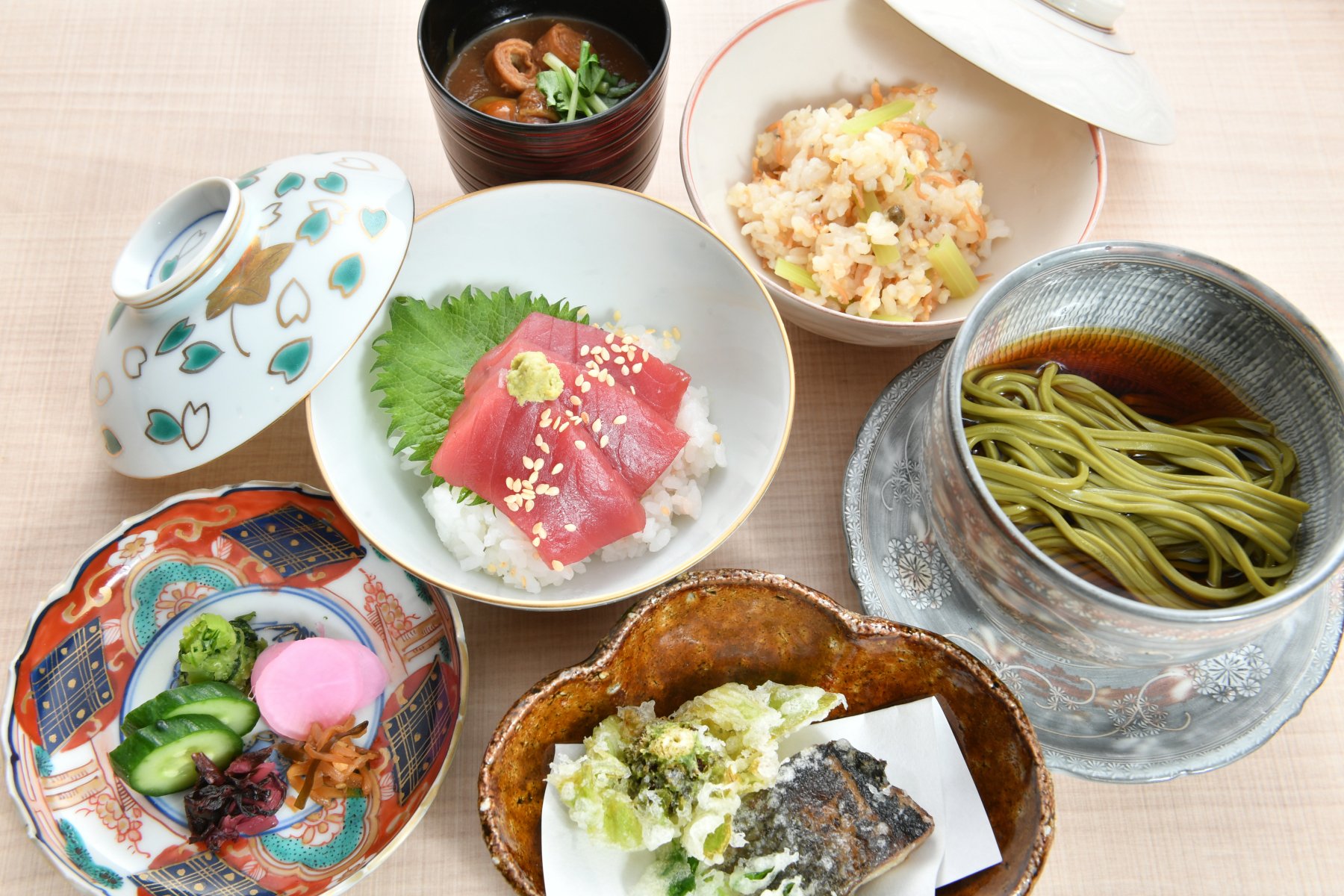
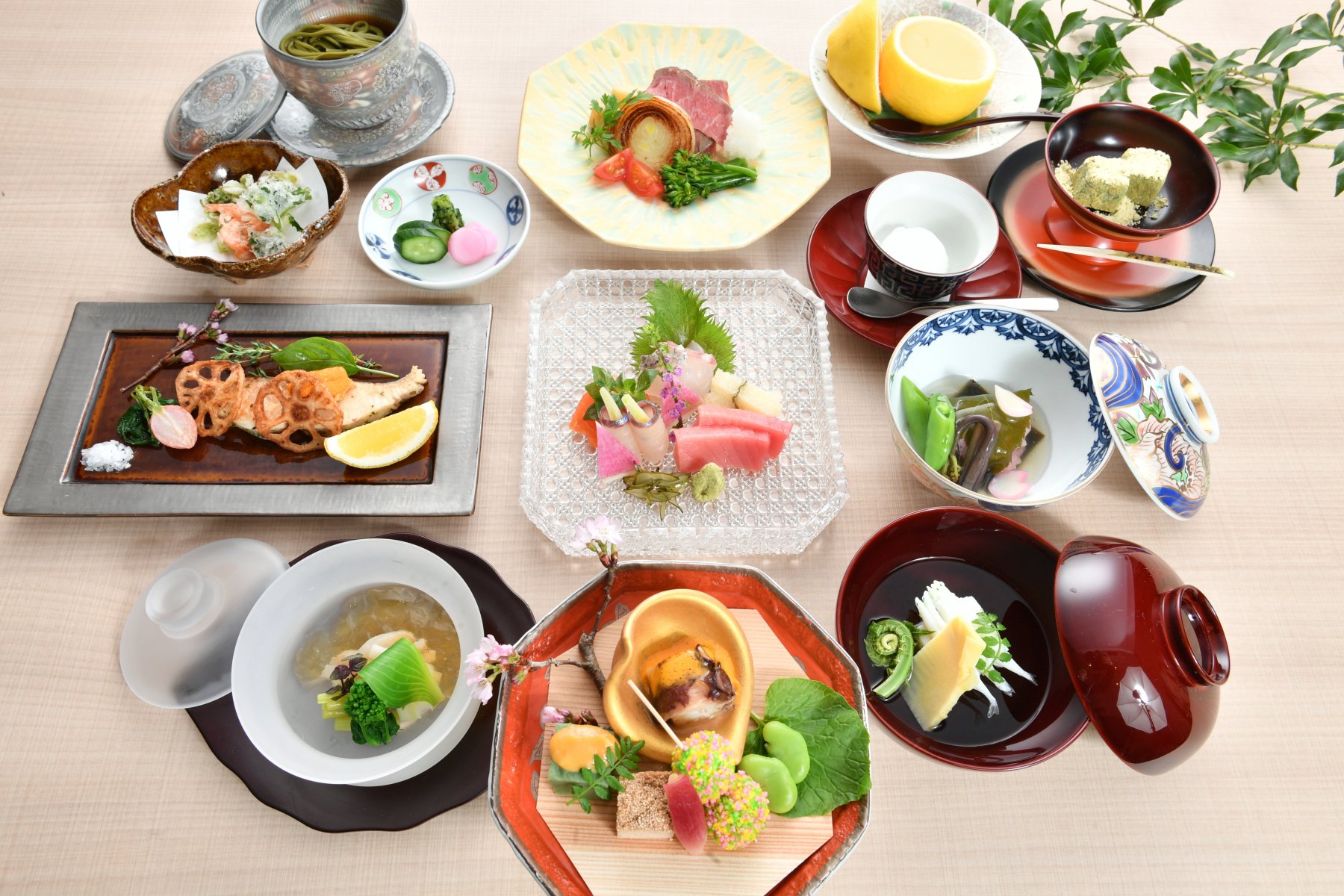
all of it over a real kaiseki lunch,
with a professional instructor guiding you point by point.

A projector camera puts the instructor's hands on the screen,
so even a large group can follow the smallest movement.

From ¥22,000 per guest (15 guests and above). Weekday lunch only.
Kaiseki course, welcome drink, private room, instructor and textbook included.
For new-employee training, for couples before a wedding, or simply for yourself.
※ We may have to decline applications from companies in the same line of business. Thank you for your understanding.

Occasions people come for

Occasions
CORPORATE TRAINING

New-employee training

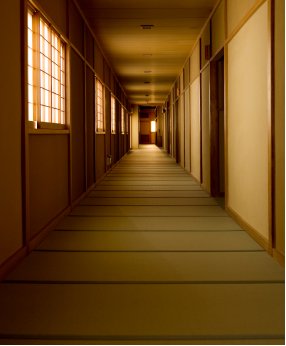
The basics of professional conduct, learned in a real ryotei. Your people leave able to hold themselves well at a client dinner. Corporate invoicing and qualified invoices available. Certificates issued.
PRE-WEDDING

Before a wedding

Brush up on Japanese dining manners before the yuinou or the first meeting of the two families. You will meet that meal with confidence. Couples are welcome to attend together.

PERSONAL ENRICHMENT

For your own sake

Knowing is where enjoying begins. Come as an individual or a small group to taste Japanese food more deeply (under 15 guests by arrangement).

What the session covers

Six Features
SIX PILLARS OF TABLE MANNERS

Six pillars of Japanese
table manners, taught at a ryotei

  • 一PROJECTOR

    Projector camera
    hands on the big screen

    A camera on the instructor's hands, projected large. Even a big group can see exactly how the chopsticks are held and the vessels handled.

  • 二CHOPSTICKS

    Chopsticks
    picked up and set down

    How to hold them, how to lift and lower them, how to return them to the rest. We also cover what not to do — hovering, spearing, dragging a dish closer.

  • 三TABLEWARE

    The vessels
    lids, and how to hold

    Opening and closing a lidded bowl and where to put the lid; using both hands when you lift a vessel. Respect for the tableware, learned by doing.

  • 四FISH

    Fish bones
    eating it beautifully

    Lifting the bones from grilled or simmered fish, and separating the flesh. Including how to tuck the bones out of sight with kaishi paper — practised on the real dish.

  • 五INSTRUCTOR

    A professional
    teaching it properly

    A professional instructor in Japanese dining etiquette, teaching in person — not only the form, but the reason behind each piece of it.

  • 六CERTIFICATE

    A certificate
    proof of the learning

    A certificate is issued at the end. For corporate training we can also issue a group certificate, useful for your training records.

Curriculum

Curriculum

The lessons follow the order of the kaiseki itself, so each point is practised as the dish arrives.
The instructor's hands are projected large. A textbook is included.

LESSON 01

Chopstick etiquette

How to hold them, lift and lower them, and return them to the rest. Plus what to avoid: hovering, spearing, dragging a dish closer.

LESSON 02

Reading the plate

Seeing what the chef intended. Direction, height, the season in the arrangement — and why you eat from the near side first.

LESSON 03

Eating grilled fish

Lifting the bones, separating the flesh, and why you never turn the fish over. Including hiding the bones with kaishi paper.

LESSON 04

The lidded bowl

Opening and closing the lid and where to rest it. How to hold the bowl, and how to notice the aromatic garnish.

LESSON 05

Rice and the final soup

Holding the rice bowl. Where the tome-wan (miso soup) sits, and what it signals about the meal ending.

LESSON 06

Fruit, and a review

How the fruit course is taken, and a look back over the whole kaiseki. Questions and answers.

Questions about the session

Concerns & Answers

We know nothing at all. Is that all right?

Certainly. We start from how to hold the chopsticks. The programme assumes no prior knowledge, so please come as you are.

Can children take part?

From primary-school age. Parent-and-child sessions are popular, and we teach in a way children can follow.

Is there a dress code?

Nothing special — ordinary going-out clothes are fine. The session is at tables and chairs, so no kneeling is required.

Is English available?

Language support is charged separately. If you would like a language other than English, please ask us.

Is there a minimum number?

Sessions run from 15 guests. For fewer, please ask — we can sometimes arrange something for a small group.

Do you handle corporate and qualified invoices?

Yes, we invoice corporate accounts and can issue qualified invoices. Do ask about treating the cost as training expenditure.

How to arrange it

Reservation Flow
  • 一Step 01

    Enquiry

    Call or write with your preferred date and the number of guests. For corporate training, telling us the aim of the session helps.

  • 二Step 02

    Confirming the plan

    We come back with the detail and a quotation. This is also the moment to ask for changes to the curriculum.

  • 三Step 03

    On the day

    The lesson with the projector camera, then the kaiseki lunch itself, where everything is put into practice. We follow the textbook throughout.

  • 四Step 04

    Certificates

    Certificates are presented at the end. For corporate training we issue a group certificate as well.

Frequently asked

Frequently Asked
  • What is the minimum number of guests?

    The standard plan runs from 15 guests. For fewer, please ask — a smaller session is sometimes possible.

  • What is in the textbook?

    An original booklet with diagrams: holding chopsticks, handling the vessels, the order of a kaiseki and the manners for each dish, and the things to avoid. It works as a reference afterwards.

  • Can we choose the time of day?

    Sessions run at lunchtime only (11:00–15:00). If you need an evening session, please ask.

  • What if a guest has dietary restrictions?

    Yes. We cater for allergies, vegetarian diets and the like. If you give us the details when you book, the head chef will prepare a menu suited to you.

  • Can experience options such as geisha, kabuki, tea ceremony and table manners be cancelled?

    Once an experience option has been confirmed, it cannot be cancelled.
    Thank you for your understanding.

Contact

Talk to us about
a table manners session

From new-employee training to individual guests.
Japanese etiquette, taught at a ryotei table.

Make an enquiry