
Tsukiji Jisaku

Jisaku is the stage. Your intention is the play.
A long-standing Tsukiji ryotei, working quietly behind each evening.

Omotenashi, as Jisaku Practises It

What is the Omotenashi Planner

Entertaining a client, marking a family occasion, hosting a guest from abroad —
an evening that matters is not made of food and a room alone.

What each guest likes, how they move through the house, when the photograph is taken, how long to leave before speaking. The details nobody mentions are the ones that decide the day.

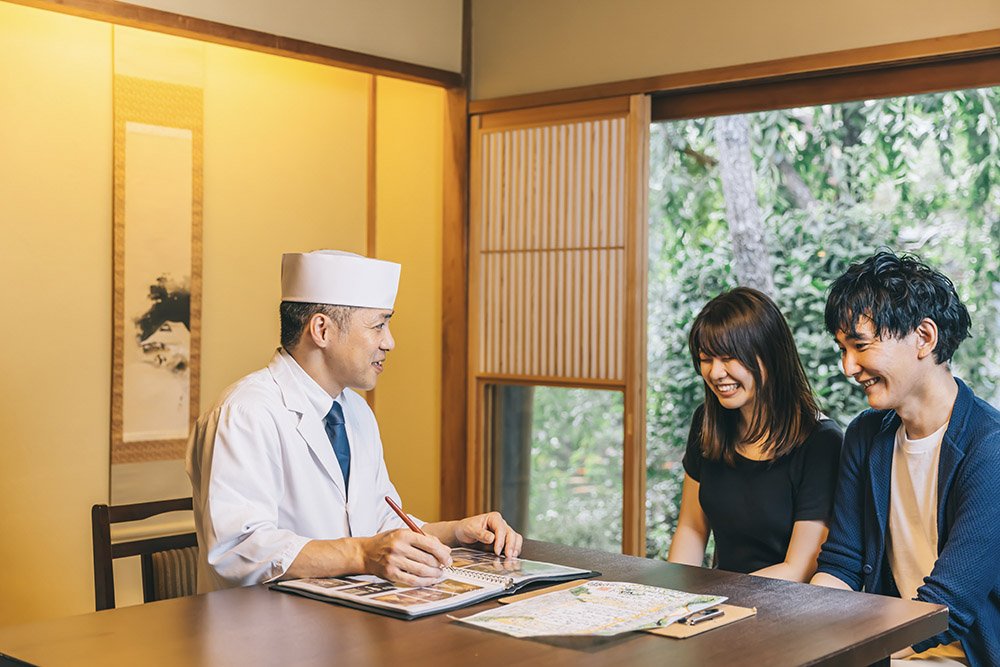
Jisaku’s Omotenashi Planner stays with a single booking from the moment it is made until the last guest rises from the table. We ask about the things a web form has no field for, work closely with the head chef, the nakai and the manager, and take care of everything backstage so that the host can be nothing but the host.

Which vessel goes to which guest. From which seat the greeting should begin. At what moment the moon will show over the garden. Each of these is arranged with more than ninety years of practice.

Three Pillars of the Planner

Three things the planner
takes on— The Work Behind Every Seat.

Listening, in practice

01 / Hearing

Listening closely,
removing the risks

Hearing & Risk Management

Preferences and allergies that a booking form cannot carry, we take down ourselves. If you would rather not cross paths with anyone else that evening, we control arrival times and routes through the house so that you never do.

02 / Customization

Building the evening
around its purpose

Experience Customization

We do not simply serve a fixed course. Geisha and traditional performance for guests from abroad, a surprise for a family celebration, the choreography of a photograph — all of it is planned by people who do this every week.

Shamisen and cultural experiences
Attending on the day

03 / On the Day

Faultless attendance
on the day itself

Flawless On-the-Day Attendance

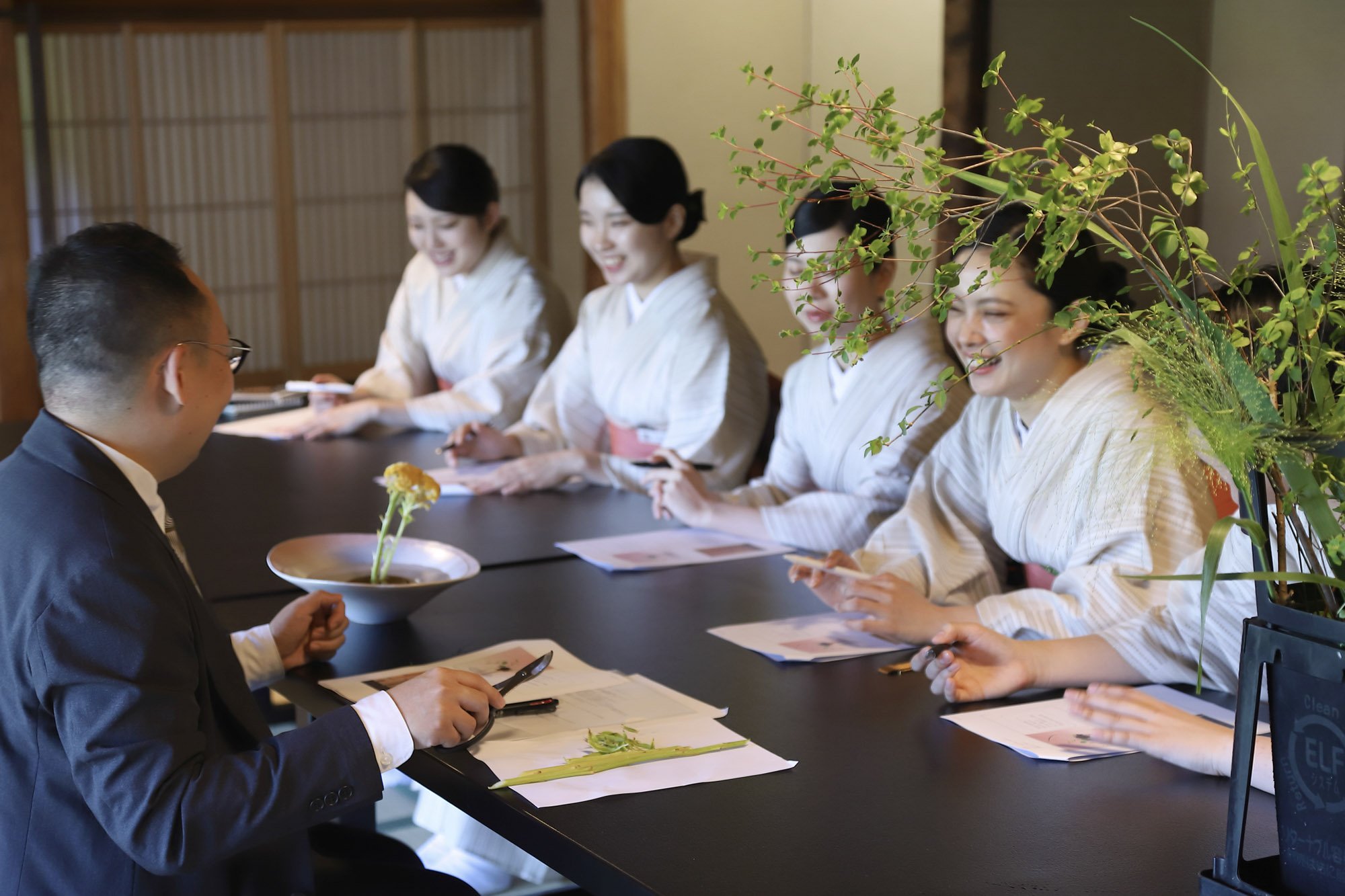
Everything we have been told is passed on in full to the senior nakai and the head chef. When to pour, how long to leave between courses, when to speak and when not to — the floor works as one, so that you are seen at your best as host.

Who We Are

Assigned One-on-OneOne planner to one evening

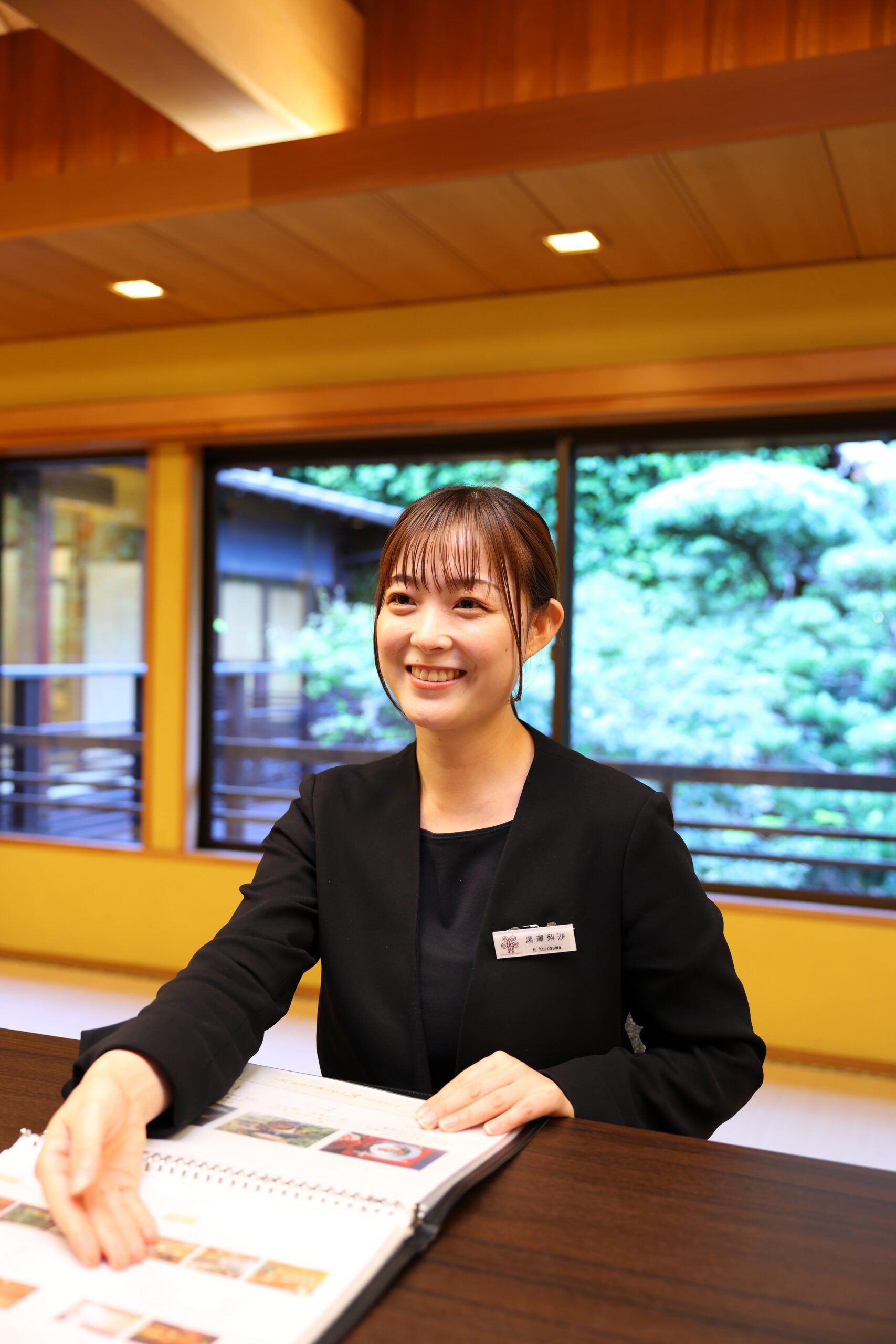
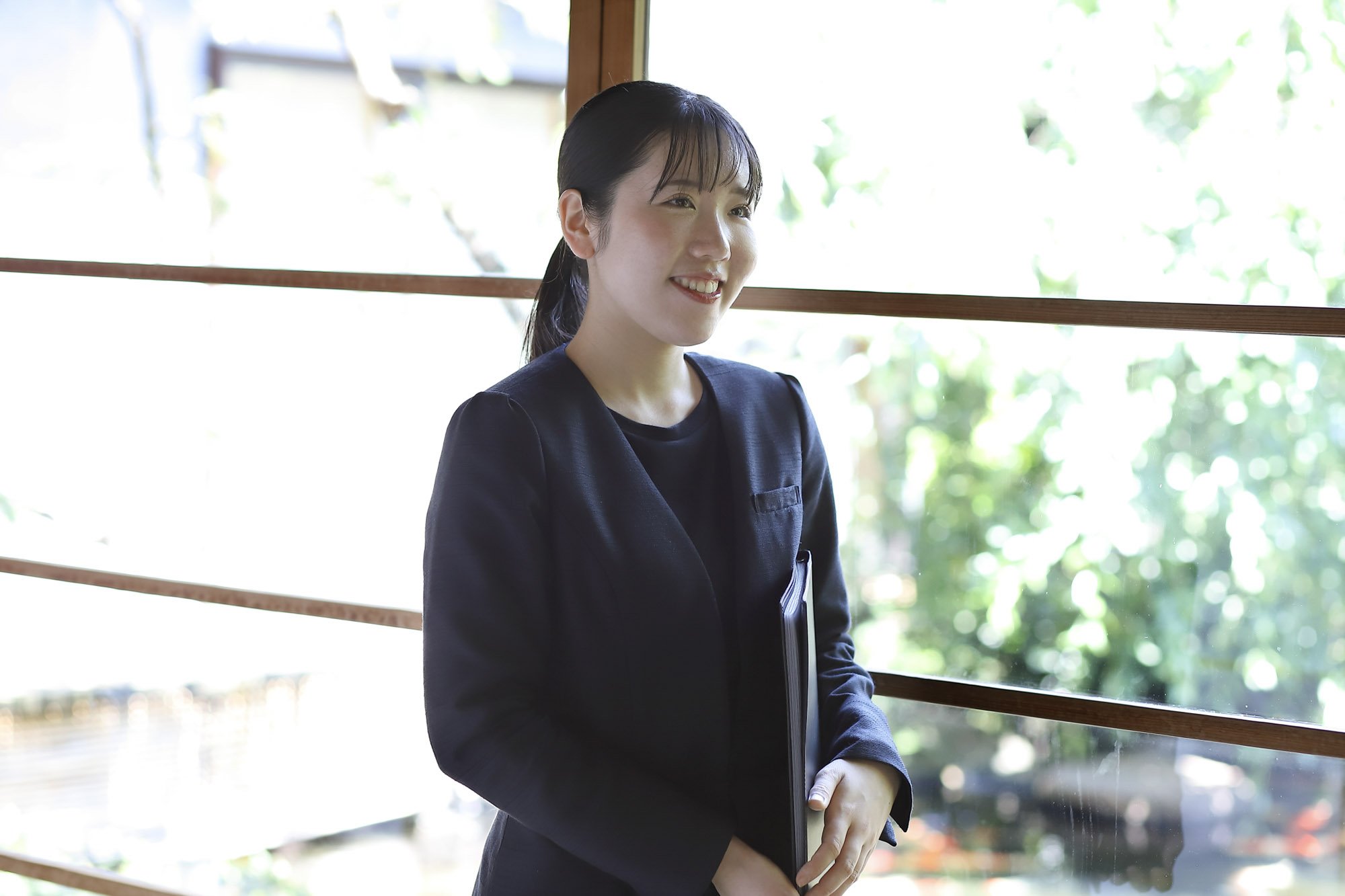
The Omotenashi Planner carries a booking from first enquiry to final farewell, answerable only to the manager of Tsukiji Jisaku. A senior nakai of twenty years’ standing; a specialist in attending guests from overseas; someone versed in the etiquette of celebration. Whichever the occasion calls for is the one assigned to you.

From the date you book to the moment we see you out at the entrance, one person holds both the backstage direction and the shape of the guests’ experience — including the things a host would find awkward to ask for.

Assigned
One dedicated planner
per booking
Languages
Japanese / English
(Chinese on request)
Hearing
In person, online
or by telephone
Fee
Normally included
in the cost of the meal
An Omotenashi Planner at Jisaku

From Inquiry to the Day After

Seven steps, from first
enquiry to the day itself

  1. 01Inquiry

    First enquiry and hearing

    By telephone, web form or in person. We spend thirty minutes to an hour on the purpose of the evening, who is coming, when, the budget, and anything that concerns you.

    Planner + You
  2. 02Proposal

    The written proposal

    Room, course, entertainment, a seating plan and a timetable, set out on a single page and sent by email or presented in person. The quotation is stated at this point.

    Planner
  3. 03Tuning

    Adjustments, as many as it takes

    Allergies, restrictions, routes, gifts, photography, music, interpreters, flowers, surprises — revised as often as you need. Whether menus and explanations are given in English is decided here.

    Planner + Head Chef
  4. 04Confirm

    Final confirmation and paperwork

    Invoice, quotation, seating chart and timetable in final form. For companies we match your internal approval formats; for celebrations we prepare the wording and the programme.

    Planner + Office
  5. 05Briefing

    Briefing the whole house

    A few days before, the nakai on duty, the head chef, the entrance staff and the drivers all receive the same information — down to the words used in greeting, the order of service, and the signal to rise.

    Internal Briefing
  6. 06The Day

    Attending on the day

    From arrival to farewell at the entrance, the planner directs from where the whole room can be seen. Timing is taken on a signal only the host knows, and details are changed without breaking the flow.

    Planner + Nakai
  7. 07Afterwards

    Afterwards, and next time

    In the days that follow, our thanks — together with the record of the evening: photographs, anything left behind, receipts reissued. Next time we build on that record and set the table one degree better.

    Planner

Real Attendance Examples

Evenings the planner
has put together

Business / Hosting overseas executives

Dinner with a European CEO

A first visit to Japan. Convey the season and the quiet of the place. Keep interpretation light so the conversation stays natural.

A vegan kaiseki built for the occasion, menus in English, and a geisha programme condensed to twenty minutes. A dedicated nakai guided the removal of shoes in English, and the seating was arranged as a triangle around the CEO so the order of greetings fell naturally.

  • Vegan
  • English Menu
  • Geisha 20min

Celebration / A sixtieth birthday

Kanreki for a family travelling in

The red kanreki jacket, without the father noticing. And as little travel strain as possible on the brothers and sisters.

Private cars arranged from the nearest station, the music changed on cue for the surprise, and the timing of the grandchild’s letter shared with everyone beforehand. Photographs were planned as two frames in the garden and one in the room.

  • Surprise
  • Private Car
  • Family Photo

Cultural / Luxury tour

The last night of a VIP tour

Four guests arriving from Kyoto on their final evening. Nothing dull, and nothing overdone.

A thirty-minute introduction to tea, kaiseki, shamisen for a small audience, and a walk by the Sumida at night — set out in ninety-minute blocks. The tour of the building was split between courses so that everyone had room to take photographs.

  • Tea Ceremony
  • Shamisen
  • Architecture Tour

Business / Announcing a new board

A quiet dinner for directors

Forty directors from the same industry, many of them senior. No room for error, and a difficult shift between standing talk and the seated meal.

Reception in a separate room, the standing portion in the middle hall, the seated dinner in the large hall. The order of greetings was confirmed in advance, and the seating satisfied both company rank and traditional etiquette. At the president’s signal the planner had the cars waiting before anyone rose.

  • Hierarchy Seating
  • Two Rooms
  • Silent Timing

Celebration / Okuizome

Six at table: parents and grandparents

A hundred-day-old baby and the family. Somewhere they can relax even if the baby cries — and where is the nursing room?

A private side room for feeding and changing was set aside in advance, with a nakai stationed close enough to respond at once. The teething stone was collected from the shrine, and the branded celebration chopsticks went home as a keepsake.

  • Baby-friendly
  • Nursing Room
  • Keepsake

Cultural / An overseas press visit

A foreign feature on Japanese cuisine

Filming permission, access to the chefs, and no disturbance to other guests — all at once.

Filming hours were divided between full and partial buyout, and the head chef’s interview split into two thirty-minute sessions. A fifteen-minute window was opened for the kitchen, and routes were arranged so the crew never once crossed paths with other guests.

  • Press
  • Chef Interview
  • Non-interference

Our Commitments

Eight promises from
the Omotenashi Planner

  1. 01

    One person hears you out, from beginning to end

    Nobody is swapped halfway. Never having to tell us the same thing twice is where we start.

  2. 02

    Allergies and restrictions are confirmed in writing, straight to the kitchen

    In writing, not by word of mouth, and checked by more than one pair of eyes — down to cross-contamination on the day.

  3. 03

    Seating and movement are designed in advance and confirmed with you

    Our aim is that nobody has to wonder where to go: arriving, leaving, washrooms, smoking, feeding a baby.

  4. 04

    The planner watches for the moment you speak

    Hold a course back, bring one forward, fill a pause. We work with the head chef in real time, following the room.

  5. 05

    A surprise is planned down to every face in the room

    Who will cry, who will laugh, who will be filming — including how many seconds the music takes to come up.

  6. 06

    Working in another language means more than a translated menu

    An English-speaking nakai is assigned, and words are chosen with care — for dietary restrictions, for the history, for the house itself.

  7. 07

    We work to your company’s approval formats

    Quotations, invoices and receipts, any codes you need assigned, and qualified-invoice compliance. We keep the burden on your finance team to a minimum.

  8. 08

    The record of the day carries over to the next

    Which room, which menu, which nakai, which drink. The second time, your table is set with one more degree of care.

Who this
is for

For Business

Client entertaining, board
dinners and MICE.

View Business →

For Celebration

Life events, weddings
and memorial gatherings.

View Celebration →

For Culture & Guests

Inbound VIPs, cultural
experiences and training.

View Culture →
Is there an extra charge for consulting the planner?
As a rule it is included in the cost of the meal. Where you ask for something particular — geisha, shamisen, bespoke flowers, photography — we quote for it separately.
How much needs to be decided when we book?
The date, the number of guests, a rough budget and the purpose are enough. Who is coming, dietary restrictions and any entertainment are decided together at the hearing. Late additions are accommodated wherever we can.
Can you look after us in English or Chinese?
We have staff who work in English, and we prepare menus, seating charts and course explanations in English. For Chinese we arrange an interpreter, or a Chinese-speaking member of staff can be reserved in advance. We will go through the detail when you enquire.
Does the planner sit with us on the day?
No. Guests should be able to eat unobserved, so the planner moves between the corridor, the service entrance and the front door, directing the evening as a whole. Whenever you need us, we are at the room at once.
Is there a cancellation charge?
As a rule, cancellations are free of charge until 16:00 the day before. However, the terms differ depending on the course you choose and the number of guests, so we will give you the details separately.
Can we avoid meeting other guests from our industry?
Yes. We adjust arrival times, routes and room allocation so that there is no point of contact with other guests, and a full buyout can also be arranged. Confidential meetings are a large part of what we host.
May we take photographs and post them?
Photography within your own room is free. When photographing elsewhere in the house we ask that other guests are kept out of frame. For press photography, filming or interviews, please speak to us separately.

Contact the Planner

Talk to
the planner

By telephone, through the web form, or face to face — whichever suits.
The date need not be fixed; the numbers need not be final.
Every evening we prepare begins with one conversation.