Tsukiji Jisaku

One bowl, and the quiet in it

THE WAY OF TEA

Wa, kei, sei, jaku —
the spirit of tea

A single bowl of matcha holds a whole Japanese sense of beauty.
Tea keeps four things close to its heart —
wa (harmony), kei (respect), sei (purity), jaku (tranquillity).

In a quiet private room, under a leading tea master,
you learn the movements, then take matcha with a seasonal sweet.

Tables and chairs are available instead of the floor,
so guests who cannot kneel — and guests from abroad — are equally at ease.
About 40 minutes. English available.

How the session runs

Experience Guide

Forty minutes of tea. From whisking the matcha to taking the sweet,
you learn the spirit and the movements under a master's careful guidance.

TEA CEREMONY — 40 MIN

The forty minutes

Under a leading master, the fundamentals in forty minutes: the movements themselves, then a seasonal sweet and matcha.

  1. 00:00Greetings; the history of tea and its four principles (10 min)
  2. 00:10How the sweet is taken, and the etiquette around it (5 min)
  3. 00:15The master performs the temae (10 min)
  4. 00:25You whisk your own bowl of matcha (10 min)
  5. 00:35Questions and photographs (5 min)
  6. 00:40Session ends
WHAT YOU WILL LEARN

What you take away

Not only the form. Through the session you feel the spirit of tea — ichigo ichie, this meeting, once only.

  1. 01Entering the tea room, and how to greet
  2. 02Taking the sweet, and eating it properly
  3. 03Using the chasen whisk, and whisking matcha
  4. 04Handling the bowl, and turning it
  5. 05Ichigo ichie — the spirit of tea
和
Wa
Harmony.
Host and guest, one
敬
Kei
Respect.
Gratitude for everything
清
Sei
Purity.
Clear in body and mind
寂
Jaku
Tranquillity.
Stillness that nothing shakes

What draws people to it

Six Features
SIX PILLARS OF TEA CEREMONY

Six things that live
inside a single bowl

  • 一CEREMONY

    Forty minutes
    of the real thing

    Under a leading master, you whisk matcha and take the sweet as it should be taken. ¥100,000 for 2–4 guests, ¥150,000 for 5–10. About 40 minutes.

  • 二SPIRIT

    Wa kei sei jaku
    four principles

    The four things tea holds to — wa (harmony), kei (respect), sei (purity), jaku (tranquillity). Not only the form, but what stands behind it.

  • 三CHAIR

    Tables and chairs
    no kneeling needed

    The session can be held at a table. Guests who cannot kneel, guests with sore knees, and guests from abroad can all join without concern.

  • 四MASTER

    A leading master
    teaching in person

    Masters from Urasenke, Omotesenke and other schools teach directly — clearly and patiently, however new you are to it.

  • 五ENGLISH

    In English
    for guests from abroad

    Explanations and handouts in English — ideal for VIP guests from overseas. We can also arrange an interpreter.

  • 六KAISEKI

    With kaiseki
    to make a day of it

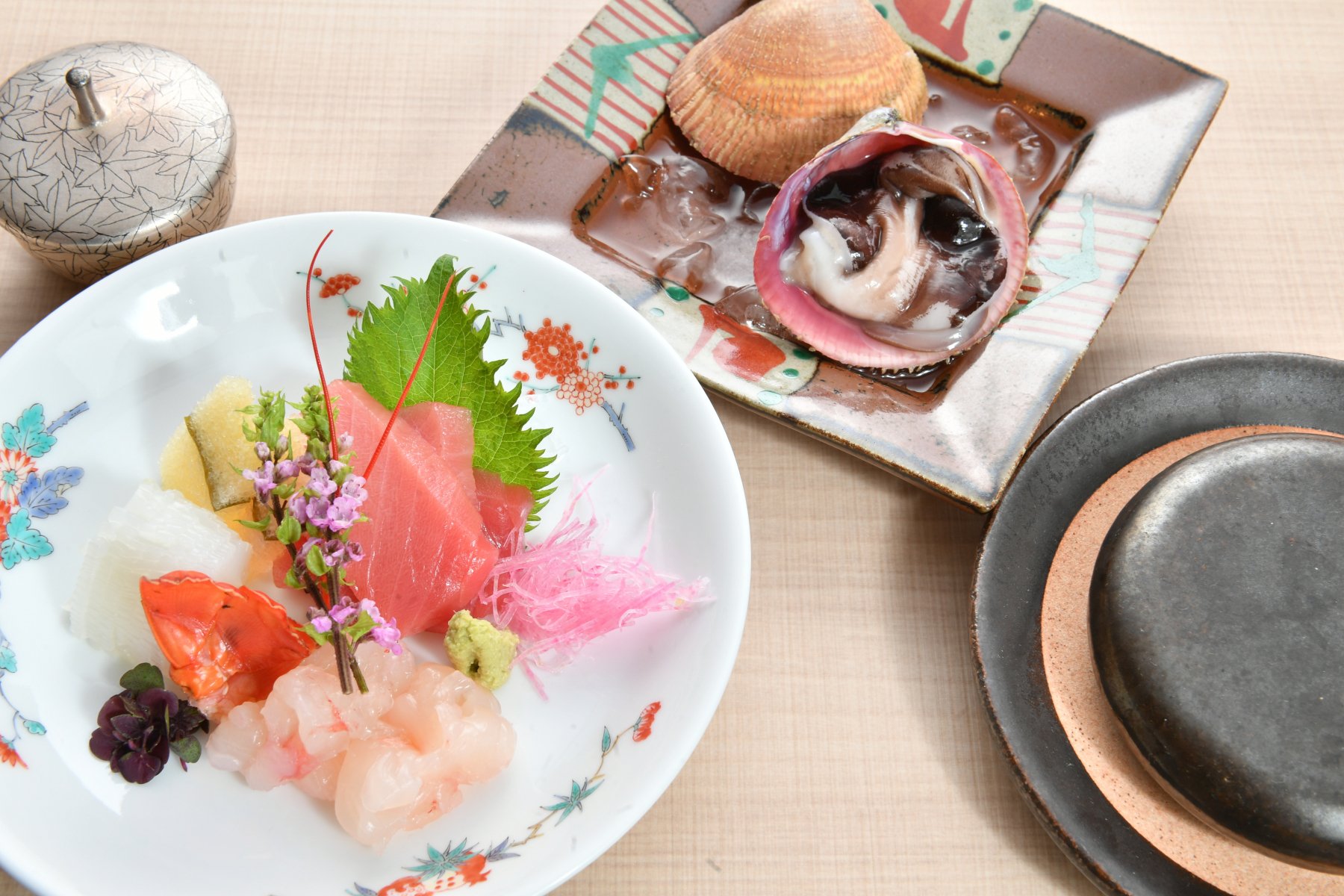
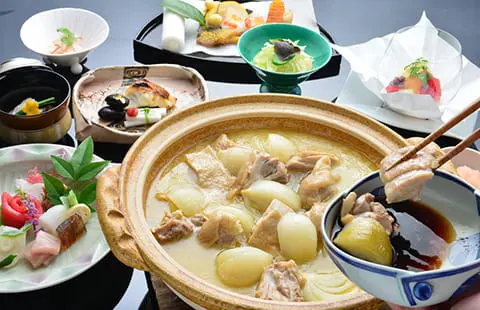
    After the tea, Jisaku's kaiseki. Add our signature mizutaki or a seasonal course, and the day holds both the culture and the food.

Questions about the session

Concerns & Answers

We know nothing at all. Is that all right?

Certainly. The programme assumes no prior knowledge, so please come as you are. The master takes you through it step by step.

Can we take part if we cannot kneel?

The session can be held at a table and chairs, and nothing about it is diminished. Guests with sore knees and guests from abroad are very welcome.

Is English available?

Language support is charged separately. If you would like a language other than English, please ask us.

How many guests can join?

From two to ten. Two to four guests is ¥100,000; five to ten is ¥150,000. For eleven or more, please ask.

Do we need to bring or wear anything?

Nothing at all, and there is no dress code. If your sleeves are in the way while whisking, we can lend you a tasuki cord. Just come.

Can children take part?

Yes, from six years old. A tea session with a child is a rare way for a family to meet Japanese culture together.

Combining with other experiences

Combination

Tea can be combined with zazen meditation or kimono dressing.
We will build an original plan around what you want.

ZEN MEDITATION

Zazen meditation

Breathing and seated meditation, led by a Zen priest.
The quiet of the ryotei settles the mind first,
and the tea afterwards goes deeper for it.
Guidance on chairs is also possible.

Enquire →
KIMONO DRESSING

Kimono dressing

Dressed properly by a professional kitsuke specialist.
Walk the garden in kimono, and take photographs.
You can stay in kimono for the tea session and the kaiseki too.
Kimono rental included.

Enquire →

Options

Options
Staging
PhotographerA professional photographer (from 30 minutes), delivered as data (from 30 shots)¥55,000〜
FlowersA bouquet for a celebration or to say thank you¥8,800〜
Cuisine
KaisekiA seasonal kaiseki course¥27,500〜 per guest
Free-flow drinksTwo hours; for parties of 20 or more¥5,500〜 per guest
Entertainment
Koto performanceLive koto as background music for the meal (15 min)¥33,000
GeishaTwo hours. From two geisha. From ¥55,000 each, transport extra.¥110,000〜
VIEW ALL OPTIONS →

How to arrange it

Reservation Flow
  • 一Step 01

    Enquiry

    Call or write with your preferred date and time, the number of guests and what you would like to include. We recommend booking two weeks ahead.

  • 二Step 02

    Confirming the plan

    We come back with the detail and a quotation. This is the moment to add kaiseki or any of the options.

  • 三Step 03

    On the day

    About forty minutes with the master. If you have added a meal, the kaiseki follows the session.

  • 四Step 04

    Seeing you off

    We hand over a keepsake of the session, so the time goes home with you. We hope to see you again.

Frequently asked

Frequently Asked
  • What is the minimum number of guests?

    From two guests. Two to four is ¥100,000; five to ten is ¥150,000. For eleven or more, please ask.

  • How far ahead must experience options such as geisha or kabuki be booked?

    We recommend booking at least two weeks ahead. If you would like an experience, entertainment has to be arranged, so please talk to us as early as you can.

  • We cannot kneel. Can we still take part?

    Yes — the session can be held at a table and chairs, with no change to the content or the quality. Guests from abroad often prefer it.

  • Can several cultural experiences be combined?

    Yes, freely. Geisha with Edo tezuma, tea ceremony with a kaiseki dinner — the Omotenashi Planner will propose how best to run the evening.

  • Can experience options such as geisha, kabuki, tea ceremony and table manners be cancelled?

    Once an experience option has been confirmed, it cannot be cancelled.
    Thank you for your understanding.

  • Does the session change with the season?

    Yes — the sweets and the bowls are chosen for the season. Feeling that turn of the year is part of why a tea session at a ryotei is worth doing.

  • Is there a difference between booking individually and as a group?

    The content is the same; in a group, each guest takes their turn at the temae. For corporate training we can shape it around your aims.

  • Can the session run longer?

    Forty minutes is standard, but an extension is possible depending on the master's schedule. Please ask when you book; an additional charge may apply.

Contact

Talk to us about
a tea ceremony

Whether it is your own first time or an afternoon for guests from abroad.
We will help you shape the plan from the start.

Make an enquiry