



![Tsukiji Jisaku [Official] Ryotei Famous Mizutaki -Official direct reservation special offer-.](https://jisaku.co.jp/wp-content/uploads/2025/01/header-logo.png)
Early summer is the season when green leaves begin to grow and cool air begins to mix with the breeze. As the greenery becomes deeper and deeper, the season is filled with cool, refreshing seasonal ingredients. Here are some seasonal ingredients with a refreshing flavor, strong aroma, and bright colors that are unique to early summer and will lighten and condition your body and mind.
seafood
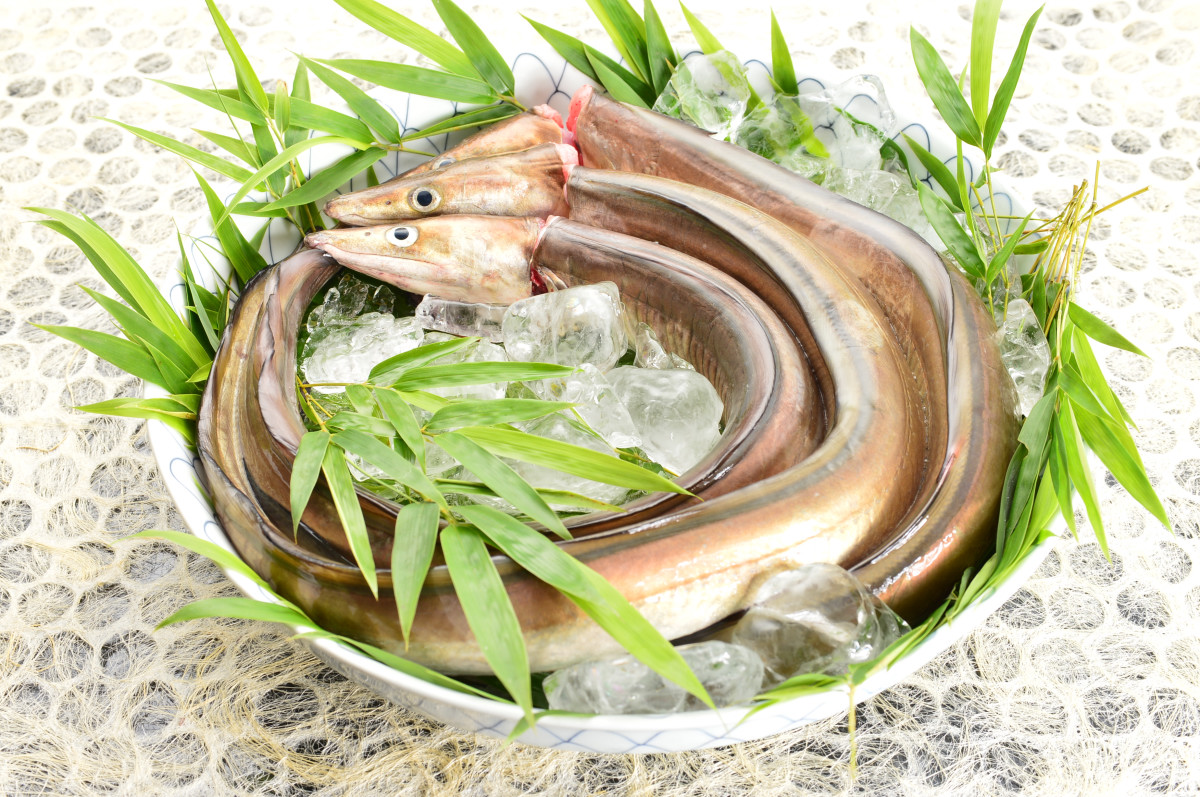
01 Hamo (Japanese conger eel)
Recommended way to eat
Hamo (conger eel), shabushabu, tempura, teriyaki. It can also be boiled and served with ume plum paste or vinegared miso paste. A must-have summer delicacy in Kyoto during the Gion Festival season.
Nutrition & Benefits
Rich in protein and low in fat, this summer fish is easy to digest and absorb. Its bones are high in calcium, and bone crackers cut from the bones are also nutritious.
02 Ayu fish
Recommended way to eat
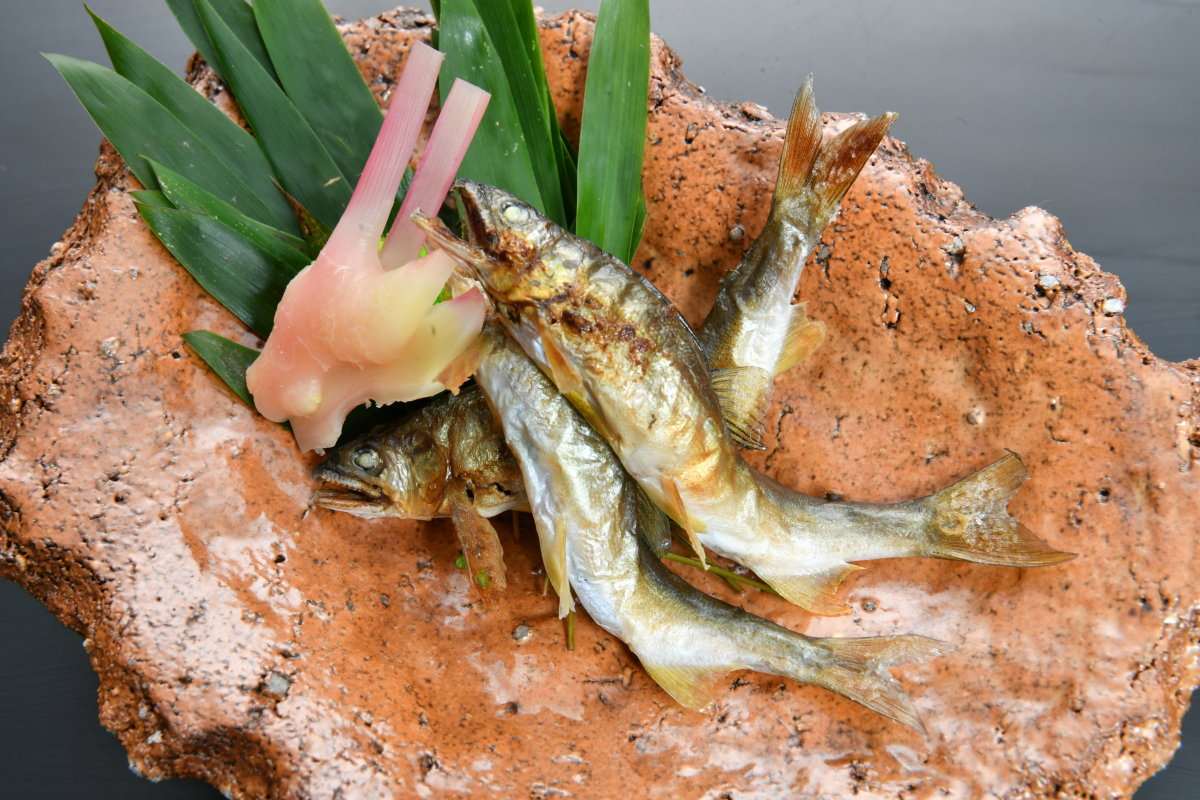
Salt-broiled, sweetened, tempura, nare-zushi. The salt-broiled fish is the standard, with the back intestines skewered and grilled slowly. The bitterness of the guts is a summer delicacy.
Nutrition & Benefits
Rich in vitamin D and calcium. Its unique aroma is due to a component similar to cucumber, which stimulates the appetite and is effective in preventing summer fatigue.
03 Bonito (the first bonito)
Recommended way to eat
Tataki (straw-fired), sashimi, and pickled rice on top of a bowl of rice. It is served with plenty of fresh ginger, myoga, and green onion as condiments. The first bonito is also good with salt rather than soy sauce.
Nutrition & Benefits
Rich in DHA and EPA to improve blood flow and activate the brain. Early summer fish with high iron and vitamin B12 content, excellent for relieving fatigue.
Beans & Water Plants
04 fava bean
Recommended way to eat
Boiled in salted water, grilled fava beans (with the pods over charcoal), kakiage (deep fried), and beans and rice. These beans are only available in early summer and are loved for their short season. Just sprinkling salt on freshly boiled beans is enough to enjoy their flavor.
Nutrition & Benefits
Rich in vegetable protein and vitamin B1. In addition to helping relieve fatigue and mental stability, dietary fiber regulates the intestinal environment.
05 Junsai water shielda
Recommended way to eat
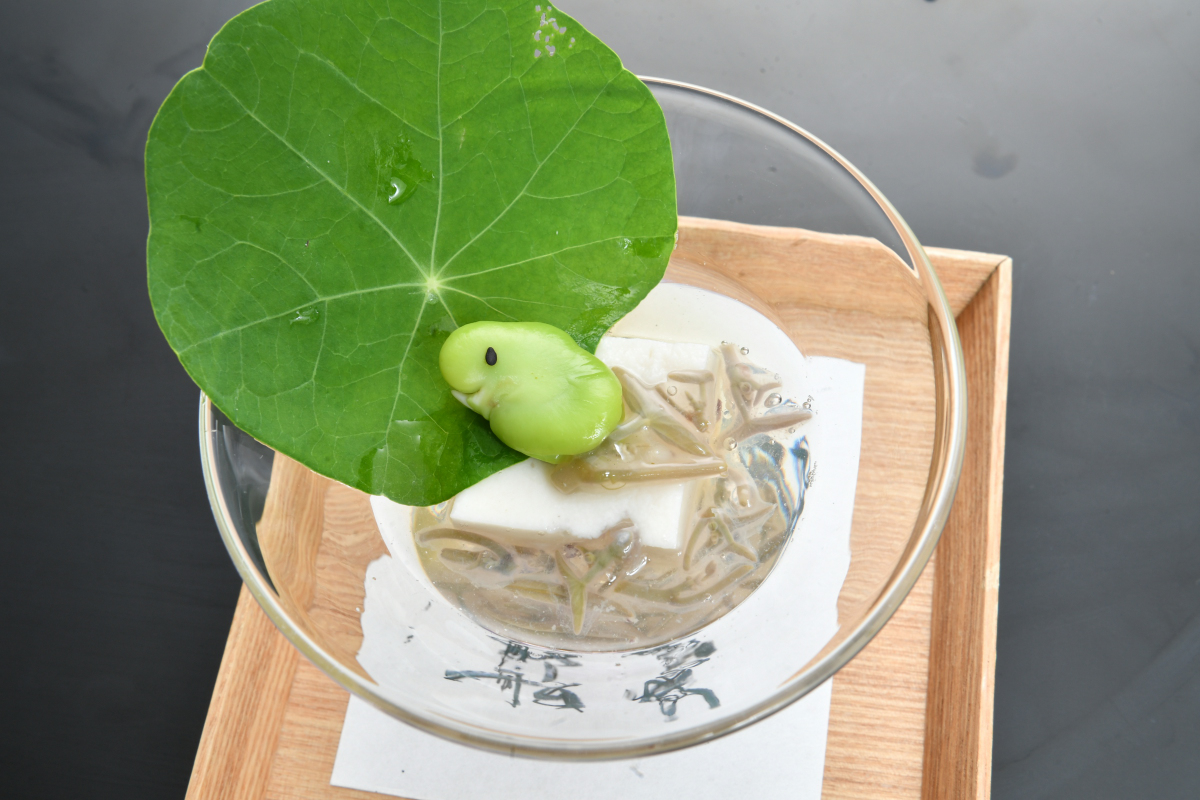
Vinegared, suckling, and chilled bowls. The smooth texture covered with transparent sliminess brings coolness. It goes exceptionally well with Tosa vinegar jelly and dashi jelly.
Nutrition & Benefits
Its unique sliminess, including mucin, protects the mucous membranes of the digestive organs. It is also rich in fucoidan, which has an antioxidant effect, and is expected to boost the immune system.
Vegetables and condiments
06 fresh ginger
Recommended way to eat
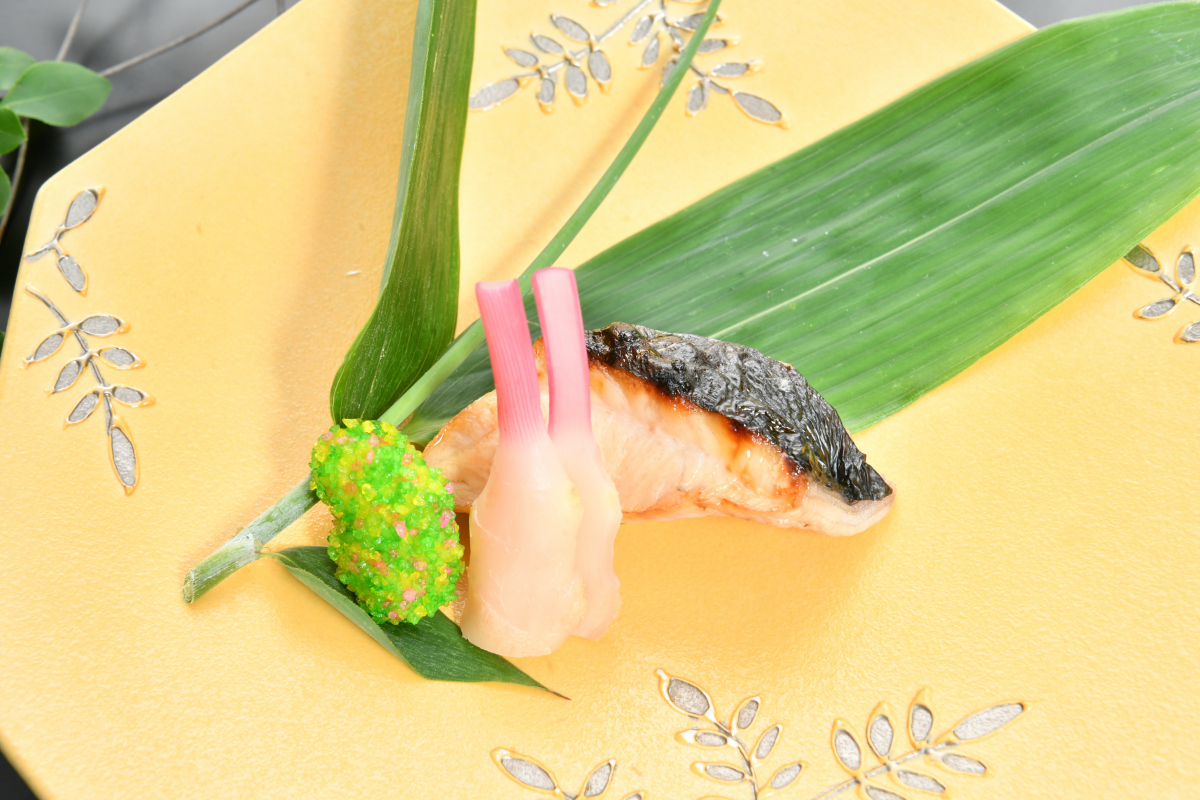
Hajikami (pickled in sweet vinegar), rice with fresh ginger, tempura, and tsukudani (food boiled in soy sauce and sugar). It is also indispensable as a condiment for bonito tataki and grilled sweetfish. It is mildly pungent and aromatic.
Nutrition & Benefits
Gingerol and gingerol warm the body from the inside and promote blood circulation. It has bactericidal and anti-inflammatory effects, and is effective against summer anorexia.
07 myoga myoga
Recommended way to eat
Yakumi (condiment), amazu-zuke (pickled in sweet vinegar), tempura, cold tofu with chopped myoga. As a condiment for sashimi and somen noodles, it is an indispensable part of the dining table in early summer.
Nutrition & Benefits
The unique aroma component alpha-pinene acts on the autonomic nervous system and helps regulate body temperature by stimulating perspiration. It also stimulates appetite and digestion.
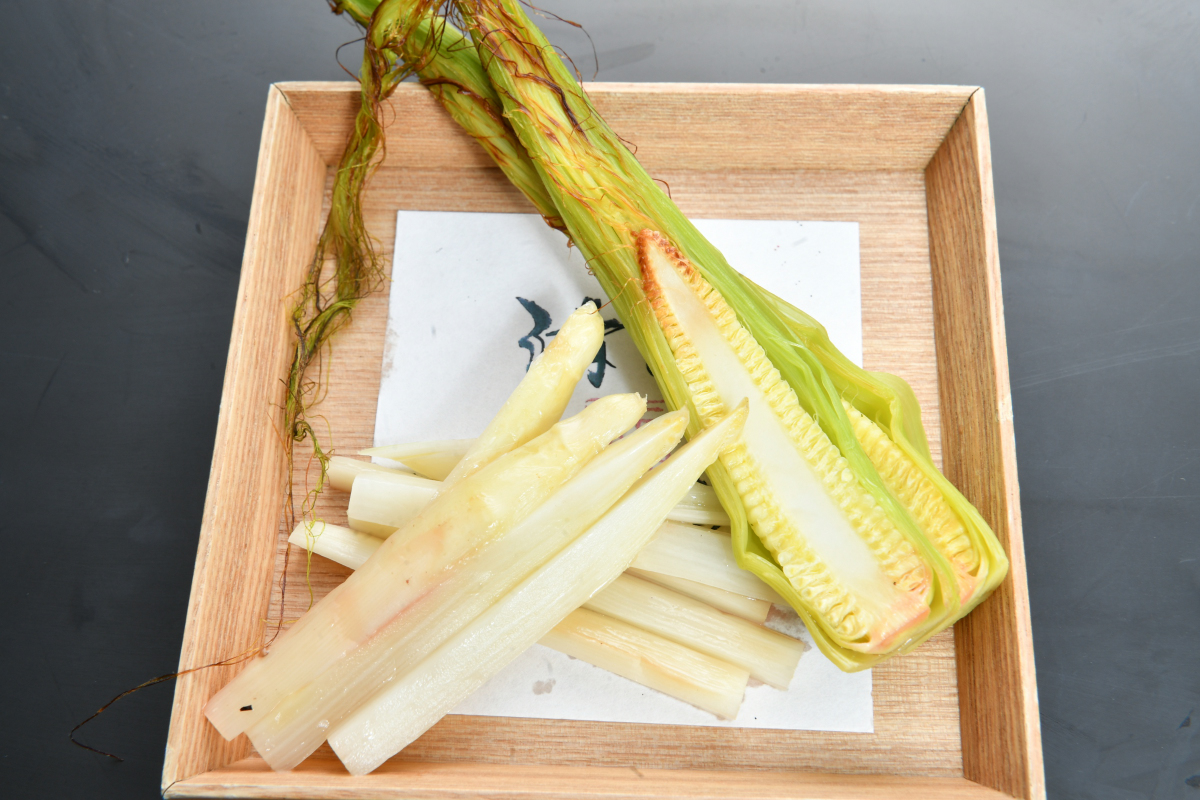
08 White asparagus
Recommended way to eat
Boiled in salted water and served with butter or dashi soy sauce, tempura, or tofu paste. Its delicate sweetness and soft bitterness go well with Japanese soup stock. Sweeter and more flavorful than green asparagus.
Nutrition & Benefits
Aspartic acid is excellent for relieving fatigue and diuresis, and is also effective in preventing swelling in early summer. Rutin strengthens capillaries and improves blood flow.
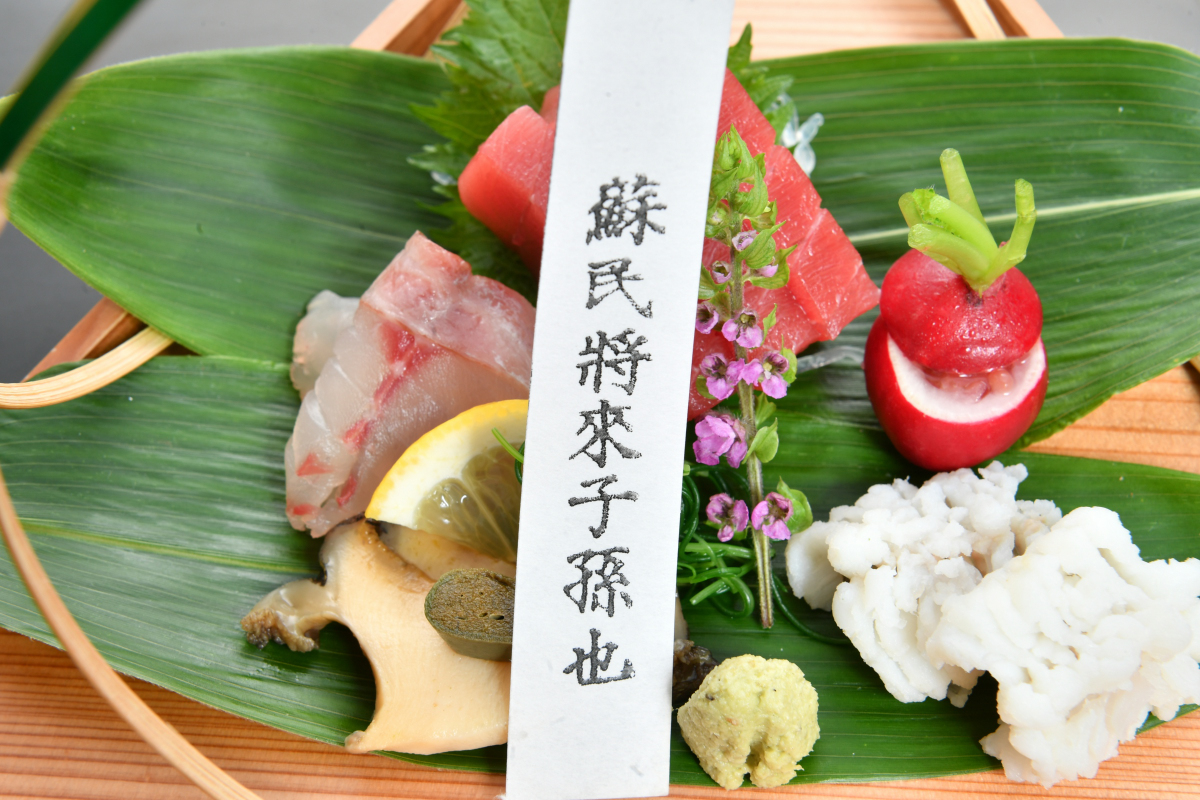
The descendants of the Sominshorai
This word has been used since ancient times as an incantation to ward off plague and disease. It comes from a legend that Sominshorai, who rented lodging to a traveler, was promised blessings for his descendants by the god (Muto Tenjin = Susanoo) in exchange for a ring of thatched grass. It is known for being written on the thatched rings used during the Natsukoe purification ceremony and on the chimaki (doughnuts wrapped in bamboo leaves) used during the Gion Festival.
Fruits & Vegetables
09 Plum
Recommended way to eat
Ume-boshi (pickled plums), umeshu (plum wine), ume syrup, ume miso (plum paste), and ume paste with ume meat. Green plums can be used for syrup or sake, while fully ripe plums can be dried or pickled in soy sauce. They are also versatile as a souring agent for cooking.
Nutrition & Benefits
Citric acid promotes the breakdown of fatigue substances, making it ideal for preventing summer fatigue and relieving fatigue. It also has high sterilizing and antiseptic properties, and has been an ingredient that has protected Japanese food since ancient times.
10 Baby corn young corn
Recommended way to eat
Tempura, cooked together, grilled, soaked, and deep-fried. Grilling the whole skin over a charcoal fire concentrates the sweetness and enhances the aroma. It is also useful as a colorful appetizer or starter.
Nutrition & Benefits
The whole core is edible and rich in vitamins, minerals, and dietary fiber. It also contains a large amount of folic acid, making it an ideal food for early summer nutritional supplementation.
Special Wagashi for June
June 30: Natsukoshi-no-Purification
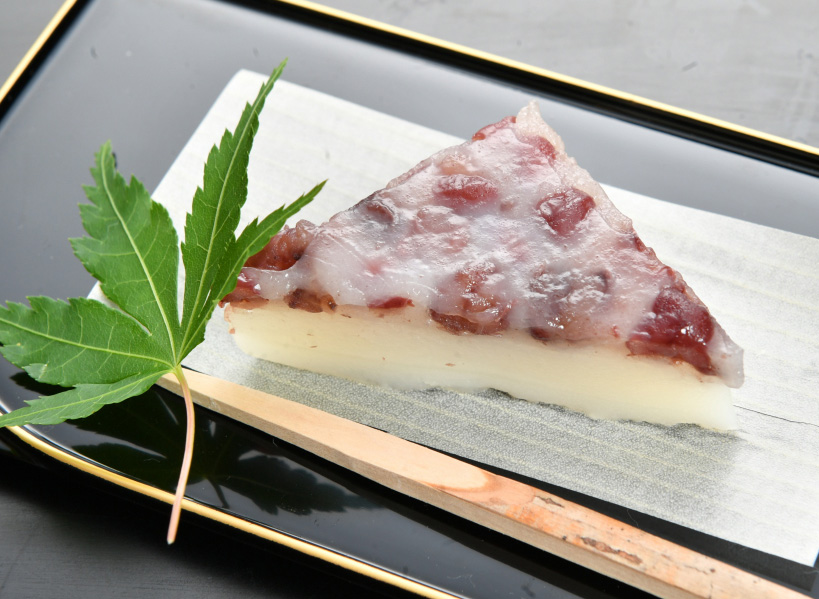
Minazuki Minazuki / Traditional Japanese sweets originated in Kyoto
A summer confectionery made of white uiro dough topped with sweetened azuki beans and cut into triangles. The triangular shape represents ice to ward off the heat, and the azuki beans are believed to ward off evil spirits. Eating it on June 30 each year during "Natsukoshi-no-harae" (summer purification) is a custom still practiced by many families in Kyoto to purify the impurities of the past six months and to pray for good health for the remaining six months of the year.
Jisaku offers handmade Mizunazuki for dessert in June.
In-season foods have the best nutrition when they are at their most delicious.
Let's carefully savor the bounty of early summer at a Japanese table.