



![Tsukiji Jisaku [Official] Ryotei Famous Mizutaki -Official direct reservation special offer-.](https://jisaku.co.jp/wp-content/uploads/2025/01/header-logo.png)
July is a month when the spirit of summer really comes alive—starting with wishes made on Tanabata, followed by the Day of the Ox during the Dog Days of Summer, the Hoozuki and Asagao markets, and the O-chugen gift-giving season.
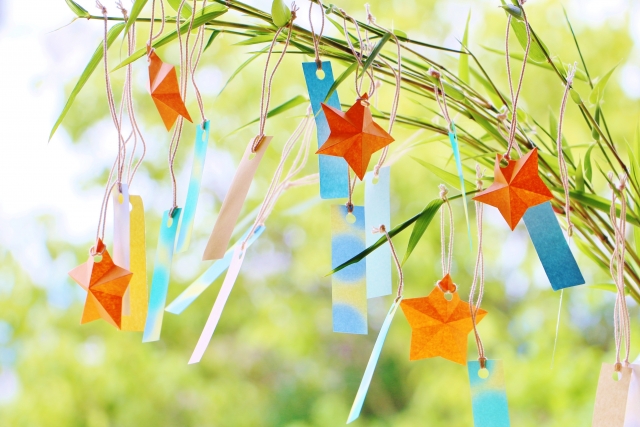
When I was a child, I used to think, “I really love this time of year,” as I listened to the sound of the tanzaku fluttering in the breeze. Once you learn the meaning behind these traditions and how to enjoy them, you’ll see a slightly different side of summer. Let me help you savor July to the fullest.
🎋Tanabata | A Romantic Night for Making Wishes
Tanabata originated from an ancient Chinese festival called “Qiqiao Dian,” which was introduced to Japan.
Although it is best known for the legend of Orihime and Hikoboshi, it was originally also a day to pray for improvement in handicrafts and calligraphy.
This is also how the tradition of writing wishes on strips of paper began.
Did you know that colors have meanings?
Blue represents "virtue," red represents "courtesy," yellow represents "trust," white represents "righteousness," and black (purple) represents "wisdom."
Bamboo is used because it grows straight toward the sky, and it has long been believed that this makes it easier for wishes to reach the heavens.
Whenever I see those strips of paper fluttering in the breeze, it always tugs at my heart a little, no matter how old I get.
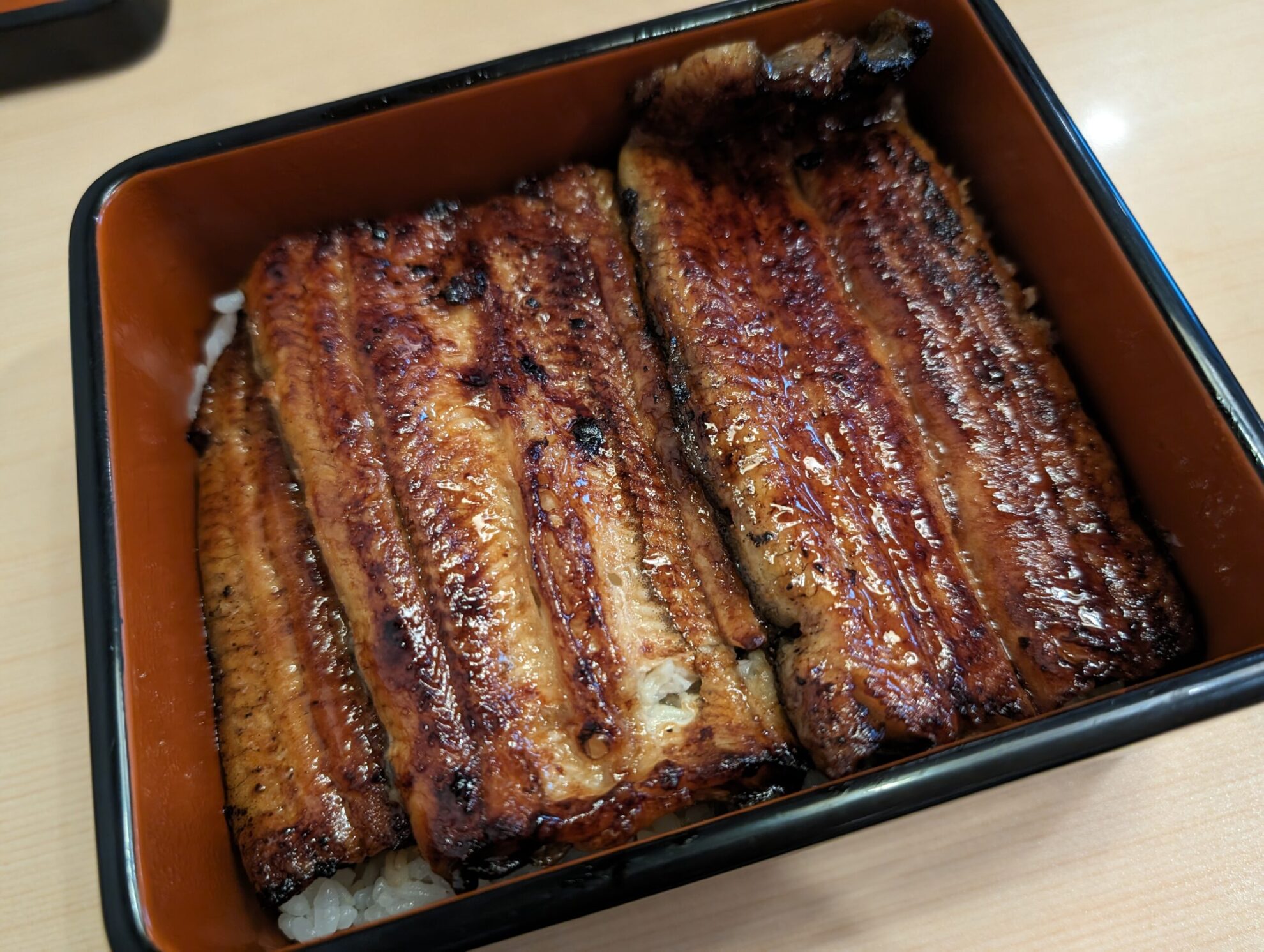
🐟 The Day of the Ox During the Dog Days of Summer | Why Do We Eat Eel?
"Eel to Prevent Summer Fatigue"
There are several theories about the origin of this custom, but the most well-known is that “Hiraga Gen’nai popularized it.”
It’s said to have all started when an eel restaurant struggling to make sales in the summer approached them for advice, and they came up with the catchphrase, “It’s considered good luck to eat foods with the syllable ‘u’ on the Day of the Ox.”
However, the essence of this tradition is “building up strength during the change of seasons.” Since ancient times, the “Doyō” period has been considered a time when people are prone to falling ill, and it has long been known that the vitamins A and B complex found in eel help relieve fatigue.
Every year, I treat myself to a little luxury and look forward to the moments when I’m enveloped by the aroma of fragrantly grilled eel. Just seeing that steam makes me feel as if my body is regaining its vitality.
🌺 Hoozuki and Asagao Festivals | Festivals with the Fragrance of Color, Dating Back to the Edo Period
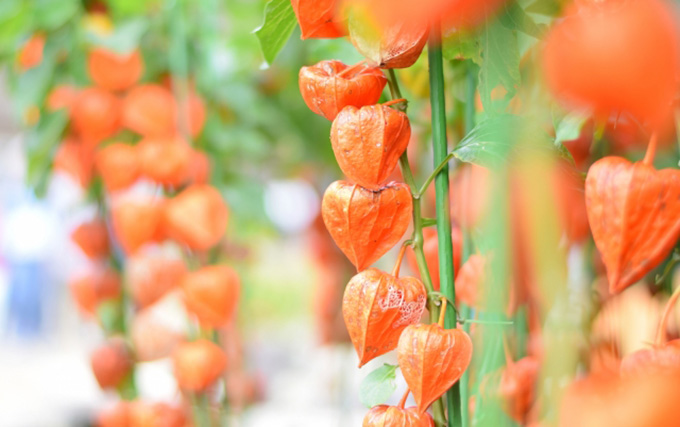
■ Hoozuki Market (Senso-ji Temple, July 9–10)
A summer tradition that has continued since the Edo period and attracts many visitors every year.
Known as “46,000 Days,” if you visit the shrine on these two days,46,000 days—equivalent to about 126 years’ worth of merit for a human being The following is considered to be a
The sight of red Chinese lantern berries lining the entire temple grounds is the very essence of summer.
The first time I visited, I saw the light from the paper lanterns blending with the red of the Chinese lantern plants, and I caught my breath, thinking, “Ah, this is a beauty that can’t be captured in a photograph…”
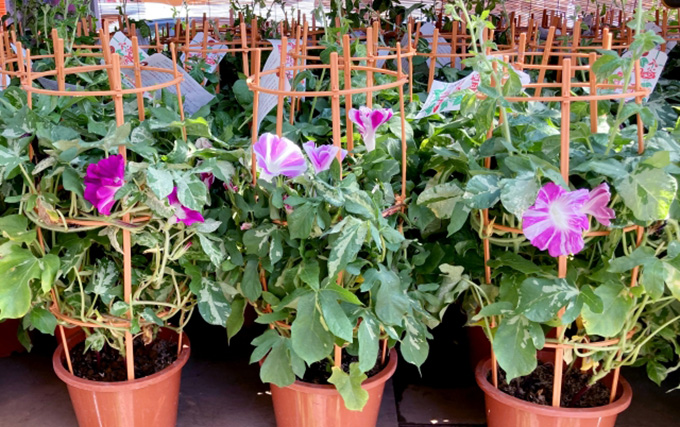
■ Morning Glory Festival (Iriya, July 6–8)
This is a traditional event held at the “Iriya Kishimojin” shrine.
Colorful morning glories were lined up before dawn, and
When I go for a walk on a cool morning, the dewdrops left on the leaves sparkle and make everything feel so refreshing.
Morning glories are also flowers that symbolize “prosperity of descendants,” and
It has long been a popular choice as a gift.
I love how just bringing a single potted plant into my home instantly fills the air with the scent of the season, and
Every year, I struggle to decide which ones to take home.
🎁 O-chugen | Summer Greetings Conveyed Through Gifts
O-chugen is a uniquely Japanese tradition of “expressing gratitude in a tangible way” to those who have helped you.
Its origins lie in “Zhongyuan,” one of the three Chinese festivals, which was originally a day to honor ancestors; in Japan, however, it has evolved into a “custom of giving gifts.”
It's interesting how the timing varies by region.
・Kanto……Early July–the 15th
・Kansai……July 15–August 15
When choosing a gift, it’s considered important to select something that evokes “coolness,” “the spirit of the season,” and “something the recipient will enjoy.” While fruit juices and cold desserts have become standard choices in recent years, it’s also popular to give dishes that warm the body—since people spend long periods in air-conditioned rooms—as well as nourishing foods that help prevent summer fatigue.
When I’m choosing a gift, I, too, pick out items while picturing the recipient’s face. That moment when I wonder, “Will they like this?” might actually be the most heartwarming part of the whole process.
Jisaku's mizutaki is a broth made solely from simmered chicken—it's packed with nutrients!
July is a month when vibrant colors and a lively atmosphere burst onto the scene all at once. The strips of paper on which wishes are quietly written, the aroma of eel, and the colors of morning glories—all of these signal the “beginning of summer.”
When you take a moment to pause and savor the seasonal festivities, it’s as if a gentle breeze sweeps through your heart. I think it’s precisely during our busy days that these traditions offer us a gentle source of comfort. This July, why not find your own way to enjoy the summer?