



![Tsukiji Jisaku [Official] Ryotei Famous Mizutaki -Official direct reservation special offer-.](https://jisaku.co.jp/wp-content/uploads/2025/01/header-logo.png)
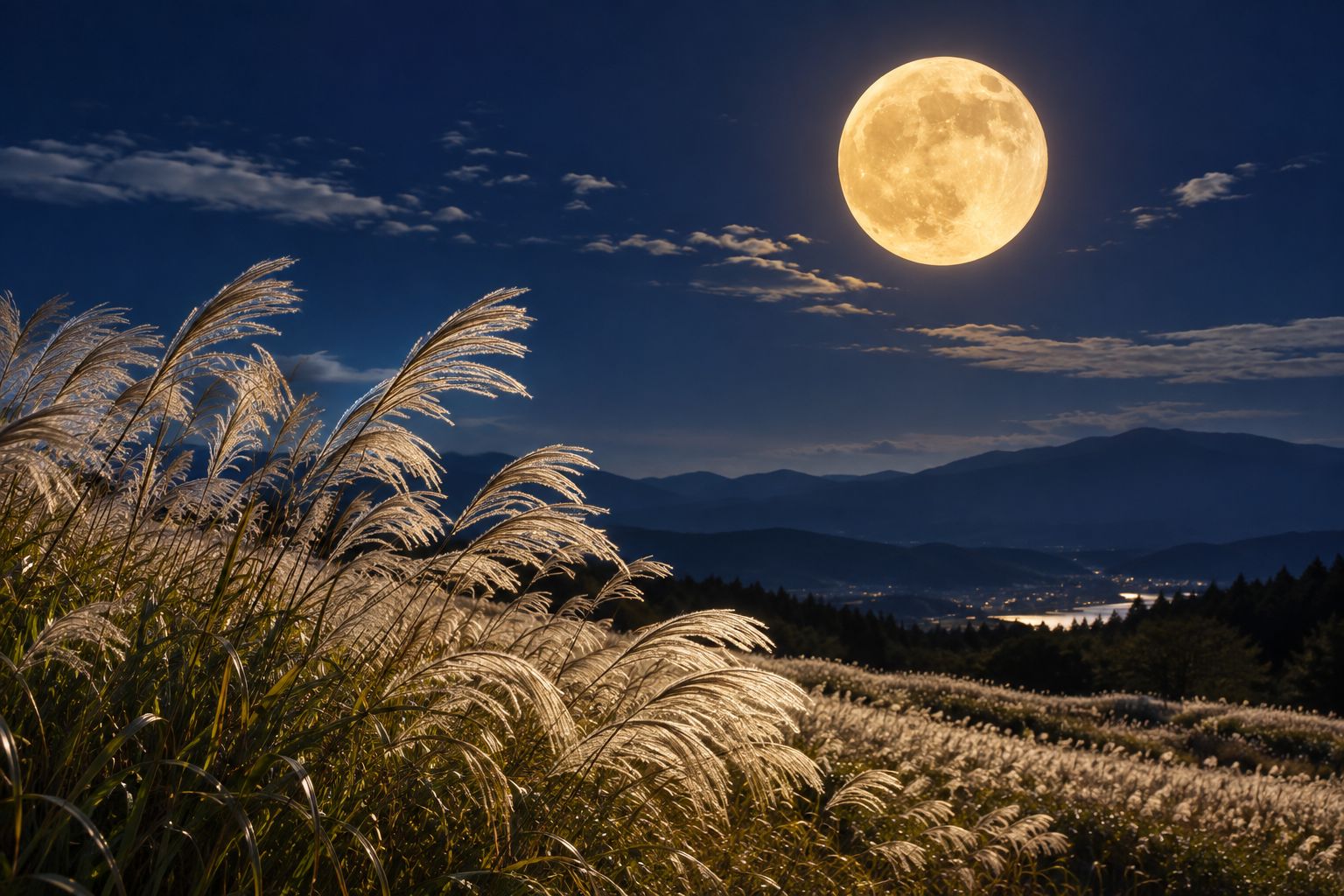
When September rolls around, while the heat still lingers, you begin to sense the approach of autumn little by little in the morning and evening breezes and the sounds of insects.
From the bustle of summer to the quiet, peaceful autumn.
September features many events—such as Respect for the Aged Day, the Autumnal Equinox, and the Mid-Autumn Festival—that honor others, commemorate our ancestors, and express gratitude for the blessings of nature and the changing seasons. Even the events we often take for granted are imbued with the values cherished by generations past. In this article, we’ll introduce some of the unique customs of September, along with their origins and culinary traditions.
Respect for the Aged Day | A Day to Celebrate Longevity and Express Gratitude
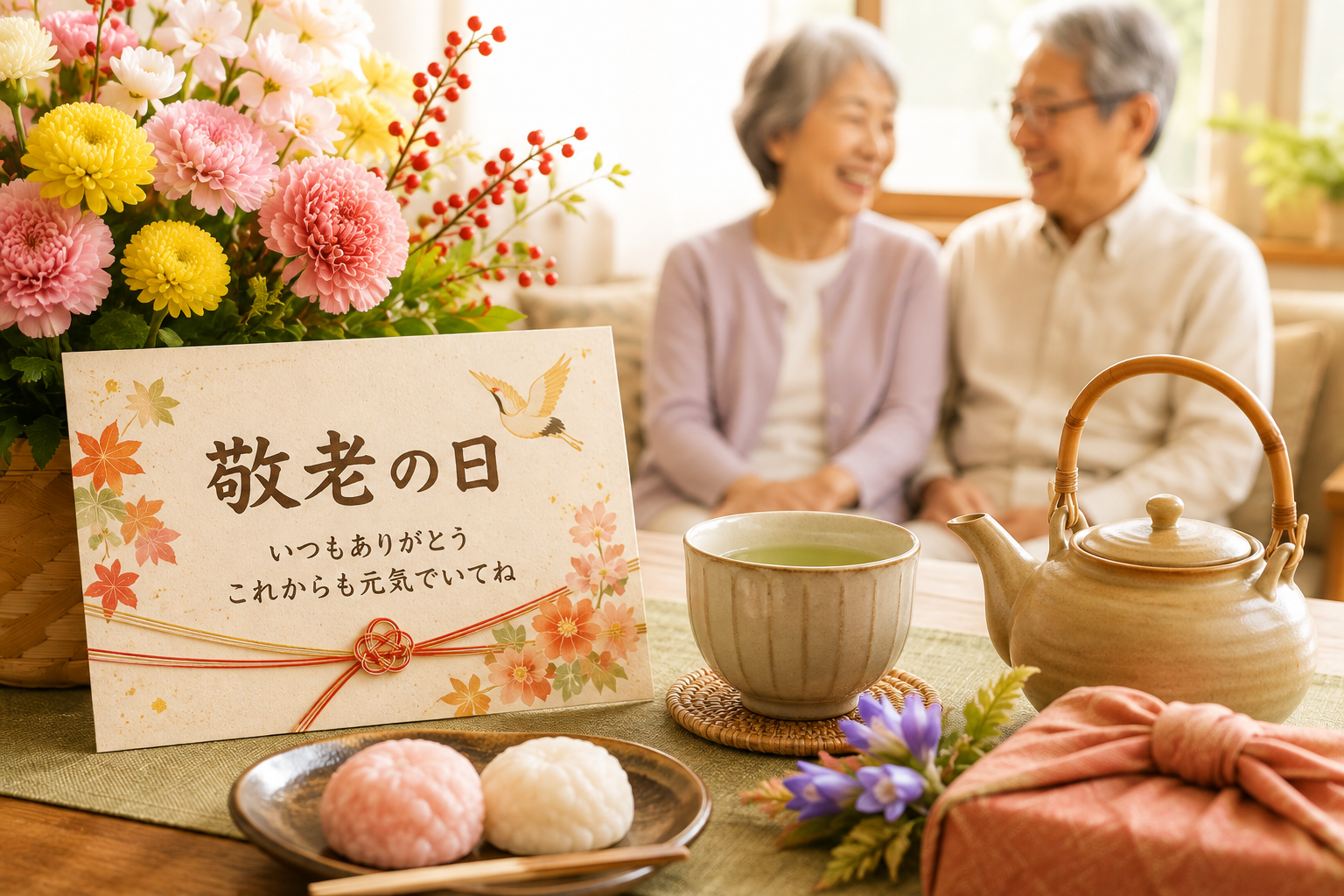
The third Monday in September is "Respect for the Aged Day."
Respect for the Aged Day is a day to honor those who have supported society and their families over the years and to celebrate their longevity. It is said to have originated as a local custom in Hyogo Prefecture called “Toshiyori no Hi” (Day of the Elderly), which later spread nationwide and eventually became the national holiday it is today.
If you look at the term “Respect for the Aged Day” on its own, it might seem a little formal, but isn’t it actually a very heartwarming day?
It also provides an opportunity to say things you don’t usually get to say, like “Thank you for everything” and “Take care.” Of course, giving a gift is wonderful, but simply having a meal together as a family or just stopping by to say hello after a long time is sure to bring joy.
As I’ve gotten older, I, too, have come to appreciate the value of spending time with my family around the dinner table. In Japanese cuisine, seasonal ingredients are often arranged beautifully, turning the dining table itself into a celebratory occasion. On Respect for the Aged Day, it’s fitting to enjoy a leisurely meal with family while wishing for longevity.
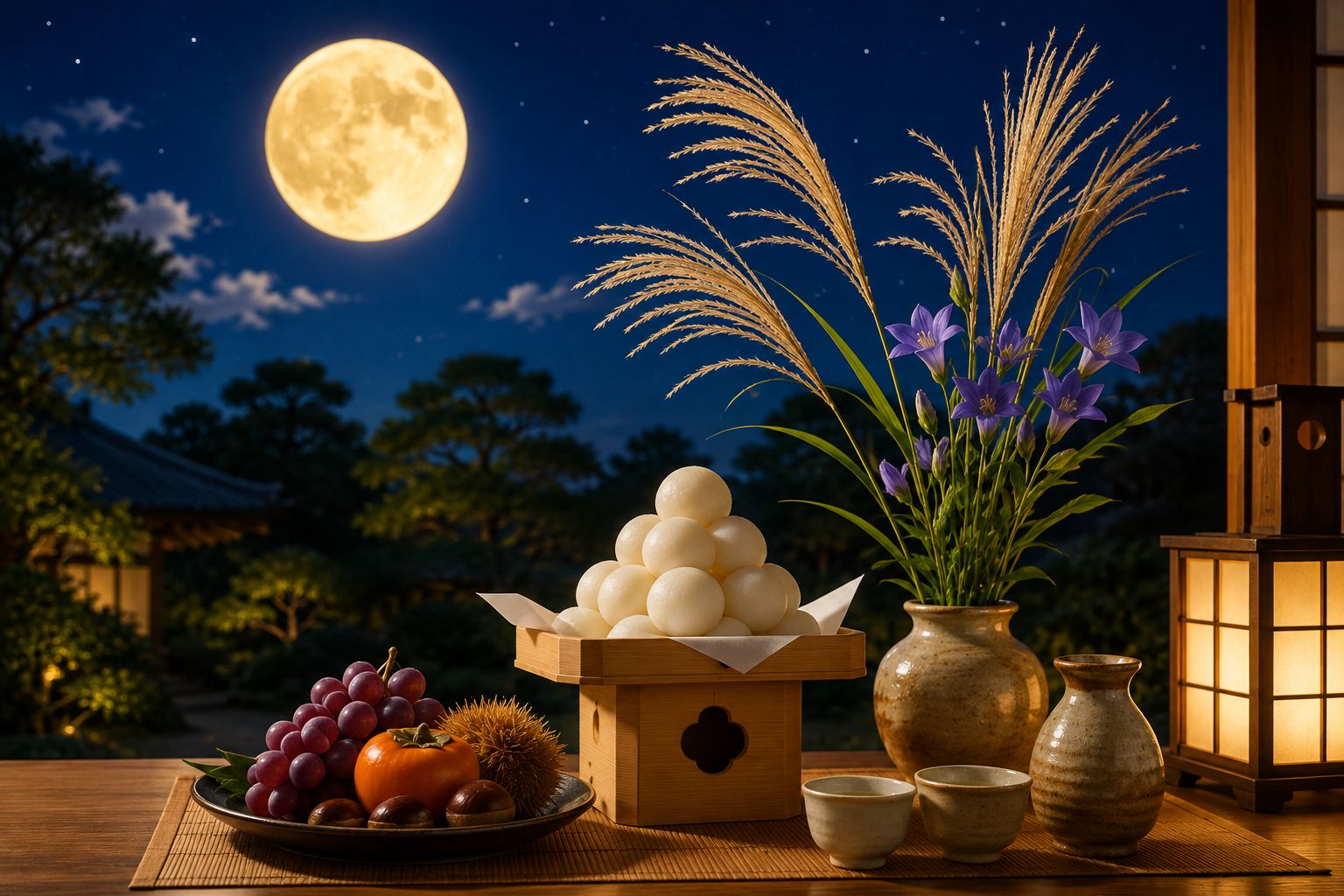
The Fifteenth Night—The Mid-Autumn Full Moon | Gazing at the Moon and Giving Thanks for the Harvest of Autumn
When it comes to September traditions, “the Fifteenth-Night Festival” is a classic.
It is a tradition to gaze at the “Mid-Autumn Full Moon,” which is considered one of the most beautiful moons of the year.
It is said that the "Fifteenth Night" originated when the tradition of moon viewing, which was introduced from China, became intertwined with Japan’s agricultural culture and spread throughout the country. For people in the past, autumn was an important season marking the year’s harvest. While gazing at the beautiful moon, they gave thanks for the bounty of rice, vegetables, and other crops, and prayed for a bountiful harvest.
Offering tsukimi dango and decorating with pampas grass are customs unique to this season. Pampas grass is seen as a symbol of rice ears and is meant to express a wish for a bountiful harvest. It has also traditionally been believed to have the power to ward off evil spirits.
On the Full Moon Night, be sure to take a moment to look up at the night sky.
With our busy daily lives, it’s rare that we go outside just to look at the moon, isn’t it? But when you look up at the moon on a quiet night, it strangely feels as if time is passing more slowly.
Autumnal Equinox Day / Autumn Higan | A Season to Honor Our Ancestors
The seven days centered around the Autumnal Equinox are known as “Autumn Higan.” Under the Act on National Holidays, the Autumnal Equinox is designated as a day to “honor one’s ancestors and remember the deceased.” While there is also a Higan period during the Vernal Equinox, the Autumn Higan has a unique charm that comes from this time of year, when the seasons are transitioning dramatically from summer to fall.
I visit the family grave and bow my head in prayer to my ancestors.
Make an offering at the Buddhist altar.
The family talks about their memories of the deceased.
These customs are not merely old traditions.
During the Obon festival in August, we welcome our ancestors, and during the Higan in September, we reflect once again on their presence. When you think about it, you realize that Japanese traditions from summer through fall reflect a culture that cherishes the continuity of life. As the saying goes, “The heat and cold last only until Higan,” and Higan has also served as a marker signaling the changing of the seasons.
It’s that time of year when the heat has eased a bit and you can feel the autumn breeze. As I clean the family grave, I think of my ancestors. Perhaps moments like these are a uniquely Japanese way of enjoying autumn.
Ohagi | Enjoying the Bounty of Autumn: The Food Culture of Higan
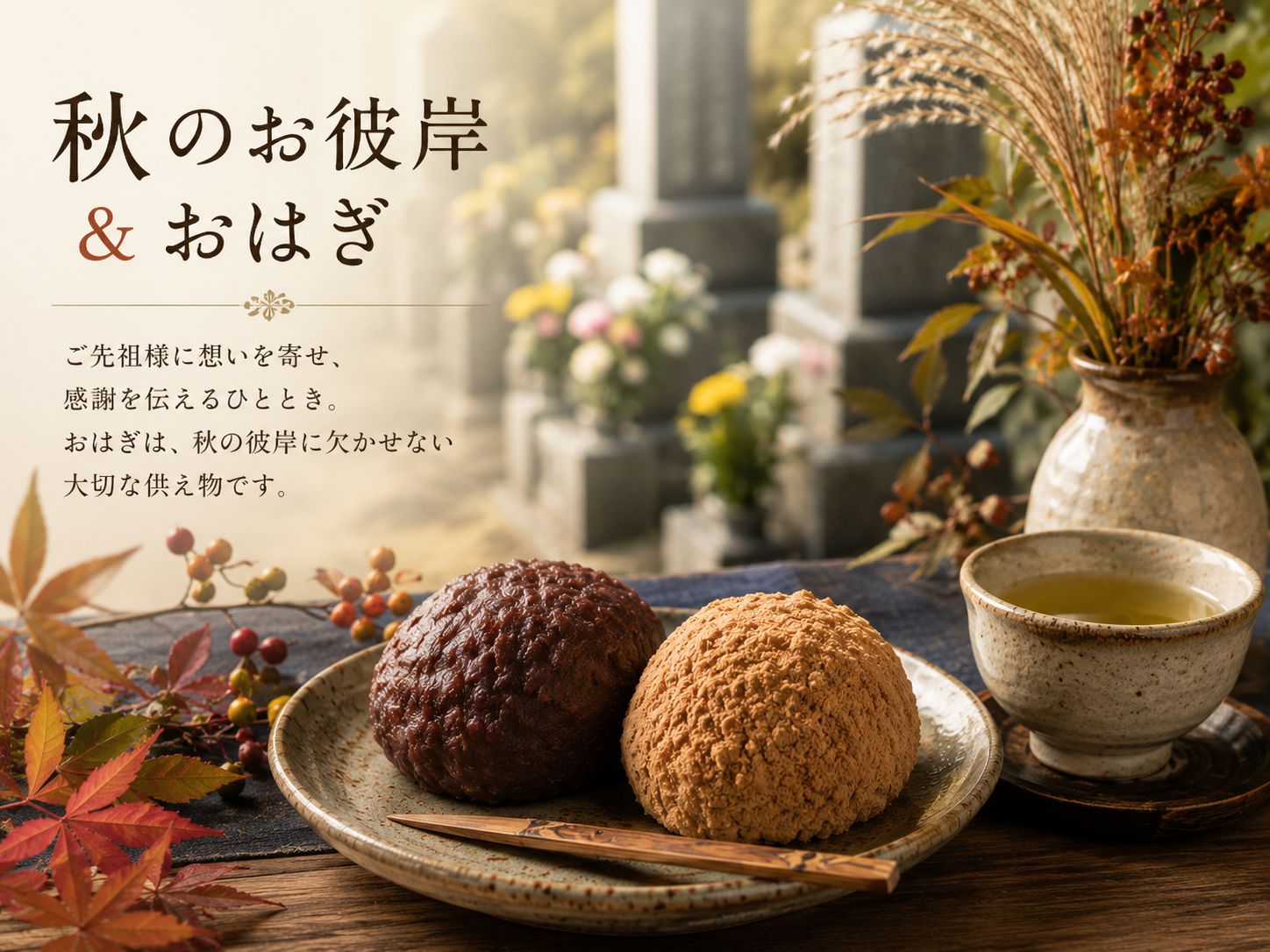
When it comes to the autumn equinox, “ohagi” is an essential treat.
Ohagi—glutinous rice wrapped in red bean paste—has long been a beloved offering during the Higan season. It is said that the red color of the adzuki beans was believed to have the power to ward off evil spirits, which is why they came to be used as offerings to ancestors.
Another interesting aspect is the custom of distinguishing between “botamochi” during the spring equinox and “ohagi” during the fall equinox. In spring, it’s named after the peony flower; in fall, after the bush clover flower. Both names are said to be derived from the flowers of their respective seasons, reflecting the Japanese people’s keen sense of the seasons. Even for similar foods, they enjoy them by giving them different names depending on the season.
It is in moments like these that I sense the depth of Japanese food culture.
September’s Autumn Delicacies | The Spirit of Japanese Cuisine: Savoring Seasonal Ingredients
As September arrives, the colors of fall gradually begin to appear on our dining tables.
Autumn-exclusive ingredients such as matsutake mushrooms, chestnuts, ginkgo nuts, taro, Pacific saury, new-crop rice, grapes, and pears are now in season.
In Japanese cuisine, we have always valued not only enjoying delicious food but also “savoring dishes that can only be enjoyed during that particular season.” Experiencing the seasons through food is one of the greatest charms of Japanese cuisine.
For example, by adding garnishes that evoke images of pampas grass or autumn foliage to fall dishes, or by changing the tableware, diners can sense the season through the food itself. Looking at the dish, they think, “It’s already fall, isn’t it?”
Perhaps this is a way of enjoying life that’s unique to Japan, with its four distinct seasons. When autumn arrives, just seeing chestnuts and ginkgo nuts makes me happy—it reminds me, “Ah, this season has come around again.” When I eat seasonal foods, I feel as though I can truly sense the changing seasons with my whole body.
Fall Wardrobe Change and Fall Preparations | From Summer to Fall: Organizing Your Daily Life
September is also the time to start gradually preparing for fall.
Although there are still some hot days, mornings and evenings have become surprisingly cool, and there are more and more days when summer clothes alone don’t quite feel sufficient. Just as we switched to summer attire during the June wardrobe change, from September through October, we’ll gradually start preparing our fall and winter clothes.
Instead of switching everything out all at once, bring out some light outerwear and gradually sort through your summer clothes. As you adjust your daily life to the changing seasons, you’ll find that your mind becomes calmer as well. In Japan, there’s a culture of incorporating the seasons not only into clothing but also into table settings, interior decorations, and tableware. Even as the heat lingers, you can still sense the approach of autumn.
Enjoying those small changes is one of the joys of September.
September is the month of “Honoring, Remembering, and Celebrating”
When we look at the events of September, we can see the Japanese spirit of “honoring,” “remembering,” and “appreciating.”
On Respect for the Aged Day, let’s express our gratitude to those who have lived their lives thus far.
During the Autumn Equinox, let us remember our ancestors and those who have passed away.
On the Full Moon Festival, let’s gaze at the moon and give thanks for nature’s bounty.
And there is a special joy in savoring the flavors of autumn.
Unlike the lively festivals, the events in September have a somewhat quiet charm.
In the midst of my busy daily life, I pause for just a moment.
I look up at the sky.
I think of someone dear to me.
Savor the flavors of the season.
Perhaps taking the time to do that is part of what it means to enjoy Japan’s four seasons.
As you sense the arrival of fall, why not take things a little slower than usual this September and really take the time to appreciate the season?