


![Tsukiji Jisaku [Official] Ryotei Famous Mizutaki -Official direct reservation special offer-.](https://jisaku.co.jp/wp-content/uploads/2025/01/header-logo.png)
August is filled with events that quietly stir the heart, including Obon, fireworks, the Three Great Bon Odori Festivals of Japan, the anniversary of the end of the war, and the start of autumn.
The sound of fireworks as we watched them in the evening breeze, the scents of Obon spent at our grandparents“ home—this month, it feels as though everyone has a ”place to return to.” As the seasons change, we’ll carefully explore the traditions of August and offer you a moment to reflect and find a little comfort in your heart.
Obon | A Time to Welcome Our Ancestors and Feel the Continuity of Life
Obon is one of Japan’s most representative annual events, during which the spirits of ancestors are welcomed into the home and then sent off again with gratitude.
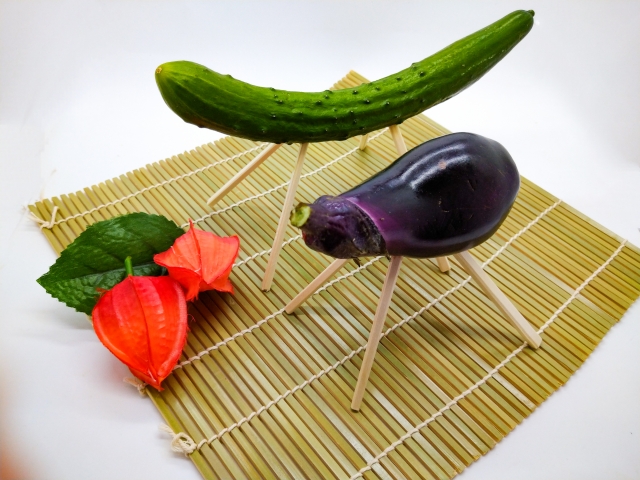
It is said that this tradition originated from the fusion of the Buddhist “Urabon Festival” with Japan’s ancient belief in ancestral spirits. Each custom—such as the welcoming and sending-off bonfires, visits to graves, and spirit horses—embodies the family’s wishes: “Please return safely” and “We’ll be waiting for you again next year.”
I’m sure many of you have memories from your childhood of gathering around the dinner table with all your relatives on the way home from visiting a family grave, or of gazing at the flickering welcoming bonfires at dusk.
Amid the hustle and bustle of everyday life, Obon offers a time to pause and quietly reflect on our connections with our ancestors and family. It is a precious moment for the Japanese people to reflect once again on the ”relay of life” that has been passed down through the generations.
Japan's Three Great Bon Odori Festivals | The dances originated as prayers to one's ancestors
Bon Odori, which adds color to summer festivals, was originally a dance performed to comfort and honor the spirits of ancestors.
The “Nembutsu Dance,” which spread during the Muromachi period, took root in various regions and evolved into unique local cultural traditions.
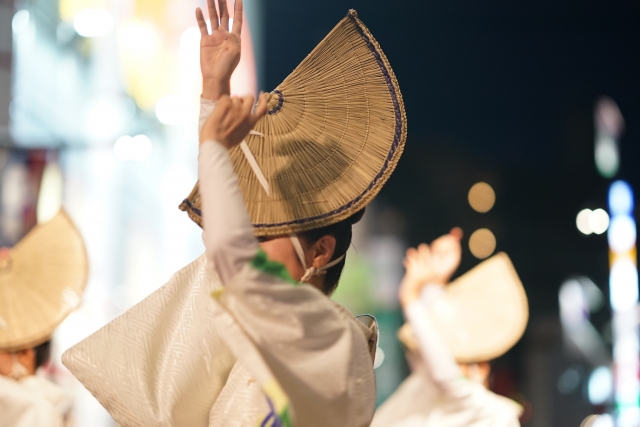
Among these, the three festivals considered to be Japan’s three major Bon dances are the Awa Odori in Tokushima Prefecture, the Gujo Odori in Gifu Prefecture, and the Nishimanoi Bon Dance in Akita Prefecture.
The dynamic rhythms of the Awa Odori, the Gujo Odori, where dancers keep dancing all night long, and the Nishimonei Bon Odori, with its beautiful, ethereal dancers wearing woven straw hats. Though each has its own distinct character, all these dances are imbued with the same wish: ”to remember the departed and to live together as a community.”
Although it has recently become popular as a tourist event, I don’t want to forget that at its heart lies the spirit of “commemoration,” which remains unchanged from the past to the present.
End of the War Day | Praying for Peace and Reflecting on the Preciousness of Life
August 15 is the anniversary of the end of the war.
In 1945, this day marked the end of the war for Japan and became a day to reflect on a history in which many precious lives were lost.
At noon, a moment of silence is observed nationwide to honor the war dead and renew our commitment to peace.
Now that there are fewer and fewer people left from the generation that lived through the war, I feel all the more strongly how important it is to pass on their stories.
On a hot summer day filled with the sound of cicadas, I spend a few quiet minutes with my hands pressed together in prayer. That moment reminds me that today—a day when I can laugh with my family as if it were the most natural thing in the world—is by no means something to take for granted.
Today is a day when we hold dear the hope of passing on the greatest gift of all—peace—to the children who will shape the future.
Fireworks Festival | Prayers for the departed become lights that illuminate the night sky
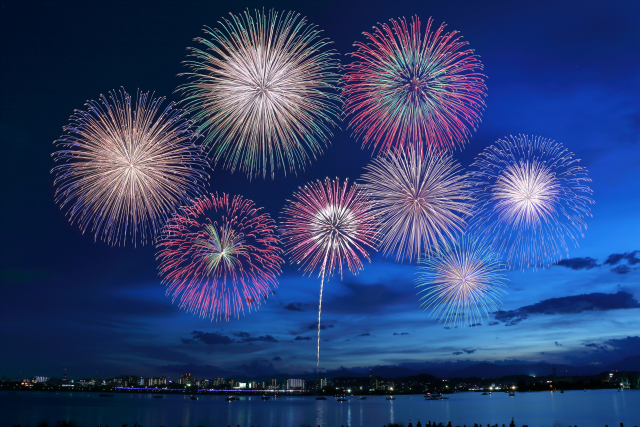
A fireworks display that vividly lights up the summer night sky.
Although it gives the impression of being a glamorous event, its origins were rooted in the concepts of “commemoration” and “mourning.”
The “Ryogoku River Opening,” the predecessor to the “Sumida River Fireworks Festival,” which was held during the Edo period to console the spirits of those who died from epidemics and famines and to honor the victims of drowning accidents, is considered a prime example of this tradition.
The fleeting flashes of light shooting up into the night sky seem to reflect the preciousness of life.
I, too, love the quiet that follows the fireworks. During that moment, when the lively cheers have faded and only the night breeze gently blows through, I find myself strangely wishing, “I hope I can see this view again next year with someone special.”
Fireworks are not just a way to enjoy the summer; they are a cultural tradition that has long reflected the Japanese spirit—a spirit of caring for others, gratitude for life, and prayers for peace.
As the end of summer approaches, you begin to sense the changing seasons in the evening breeze that suddenly blows through and the sounds of insects.
August in Japan is not only a month of joy, but also a time that has long nurtured a spirit of preserving life, honoring the departed, and praying for peace. Each of these traditions is imbued with a unique Japanese aesthetic sensibility—one that values caring for others and cherishing the present moment.
Precisely because our days are so busy, try pausing every now and then to listen closely to the seasons. That quiet moment is sure to enrich your heart.
Jisaku's mizutaki is a broth made solely from simmered chicken—it helps prevent summer fatigue and is packed with nutrients!