


![Tsukiji Jisaku [Official] Ryotei Famous Mizutaki -Official direct reservation special offer-.](https://jisaku.co.jp/wp-content/uploads/2025/01/header-logo.png)
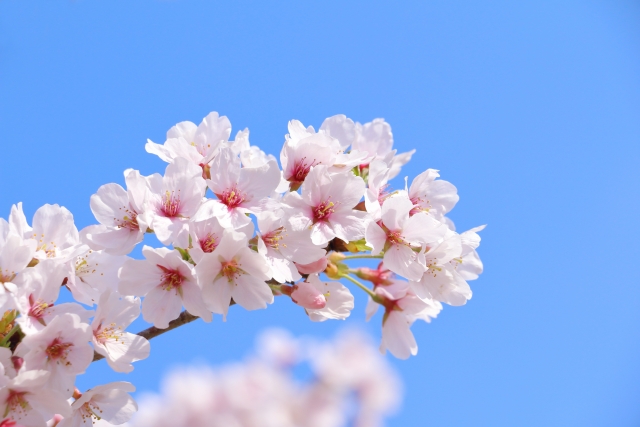
The breath of spring spreading in March
March is the time of year when the harsh cold eases and signs of spring fill the streets. It is also the month when people wake up from winter and many milestone events are held.
During the Hinamatsuri (Girls' Festival), the spring equinox, and cherry blossom viewing, when the Japanese culture of living in harmony with nature comes alive beautifully, ryotei offer foods such as wild vegetables and young sprouts of early spring that remind us of the running of spring, so that we can enjoy the changing of the seasons with all five of our senses.
1,What is the Girls' Festival?
March 3rd is the Dolls' Festival. It is a traditional event to wish for the healthy growth and happiness of girls.
Peaches are believed to have the power to ward off evil spirits and have been cherished as a symbol of good luck in spring. The origin of this custom dates back to the Heian period (794-1185) when the custom of “Nagashi Hina” was practiced. The dolls were made of paper and other materials and floated down a river to pray for good health. The custom was eventually combined with Hiina-play, a doll game played at court, and developed into the current form of decorating dolls as guardian dolls.
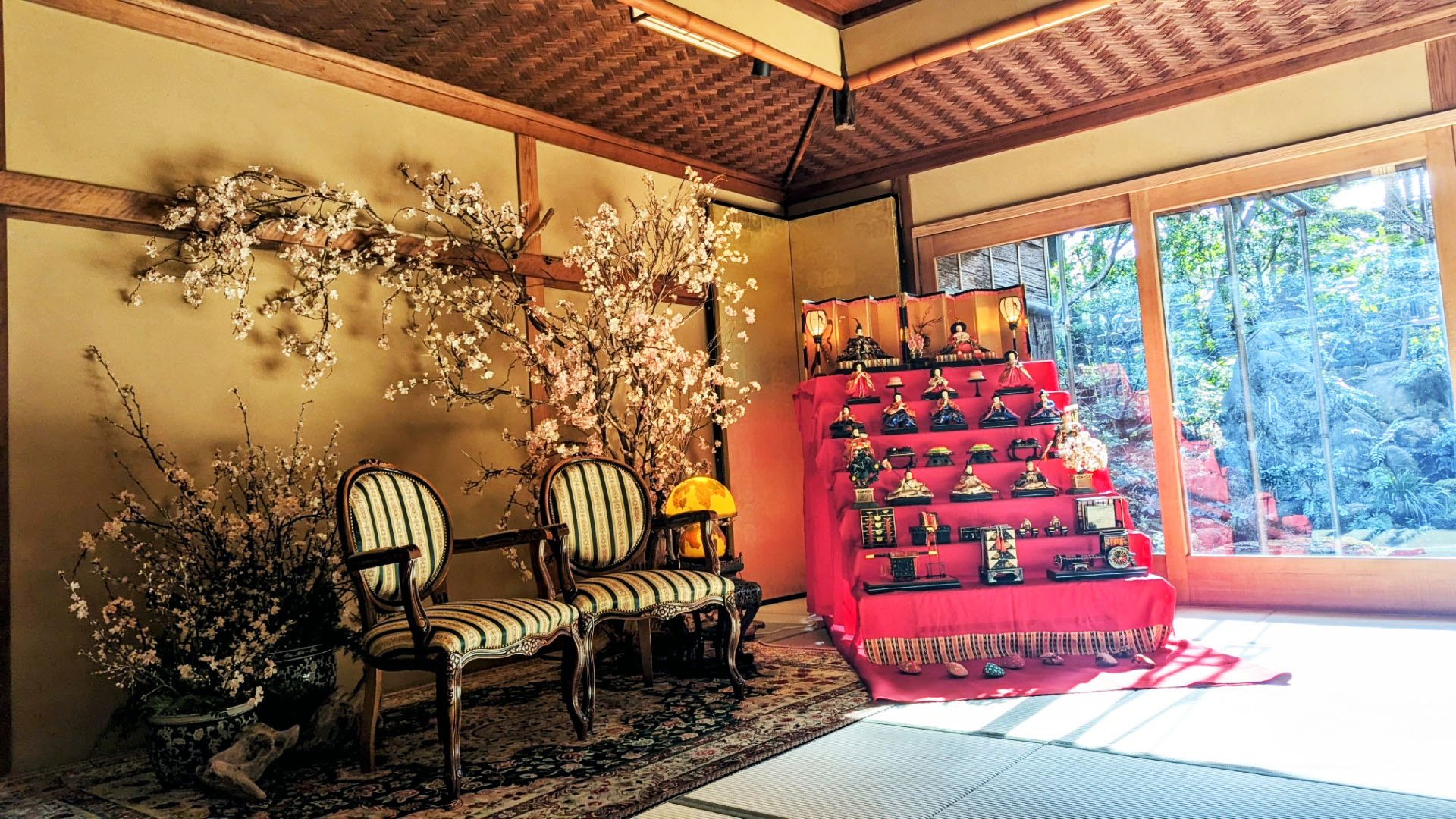
Hina ornaments.
The three court ladies, five musicians, Zuijin, and Shicho are lined up around Dairebina, who are dressed in Heian-period costumes, recreating the elegant world of the imperial court.
The tan-dori format is accompanied by wedding utensils, a court carriage, a chest of drawers, a mirror stand, and other items, all of which express the wish for the healthy growth and happy life of the girl child. In particular, the male and female Uchiuri-hina dolls have long been treasured as symbols of future marital bliss.
Hina ornaments are not merely decorative, but also have the role of “taking on bad luck.” In the past, the custom of "Nagashi Hina" originated in which bad luck was transferred to paper dolls, which were then floated down a river. As time went by, more and more elaborate dolls were made, and the dolls developed into today's gorgeous Hina ornaments.
2,Spring O-higan - A spirit of remembering ancestors and welcoming spring
The seven-day period beginning on the middle day of the spring equinox is called "Shunsahigan.
It has long been a time to be thankful to nature and to make offerings to ancestors. Botamochi,“ which is eaten during this period, is derived from the spring flower, peony, and is a uniquely Japanese culture that values the sense of the season.
The spirit of respect for the harmony between man and nature quietly lives on in the cuisine of spring.
3,Cherry blossom viewing - a seasonal tradition in spring in Japan
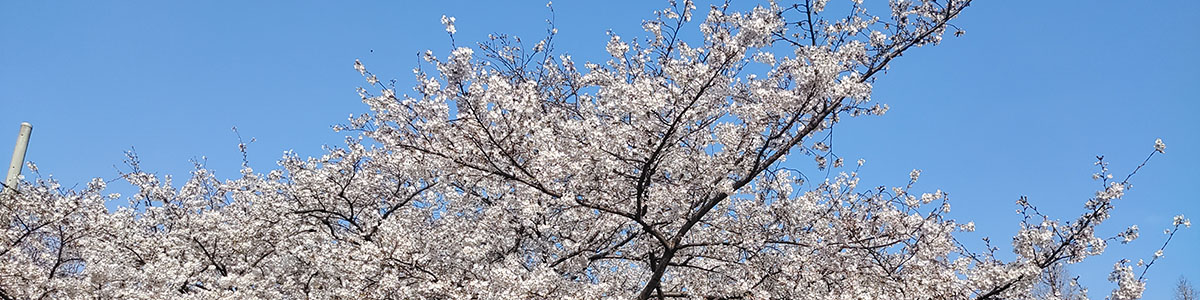
Hanami is a typical Japanese traditional event where people celebrate the arrival of the season by viewing cherry blossoms in bloom in spring.
The history of cherry blossom viewing dates back to the Nara period (710-794), when aristocrats held banquets to view the plum blossoms. The blooming of cherry blossoms was an important sign of "the arrival of spring" and "the first sign of a good harvest.
Cherry blossom viewing today is widely enjoyed as a time to relax and enjoy the cherry blossoms with family and friends. It is also deeply connected with the culinary culture of enjoying the bounty of spring, such as Japanese sweets reflecting cherry blossom colors, seasonal dishes, spring vegetables, and cherry sea bream.
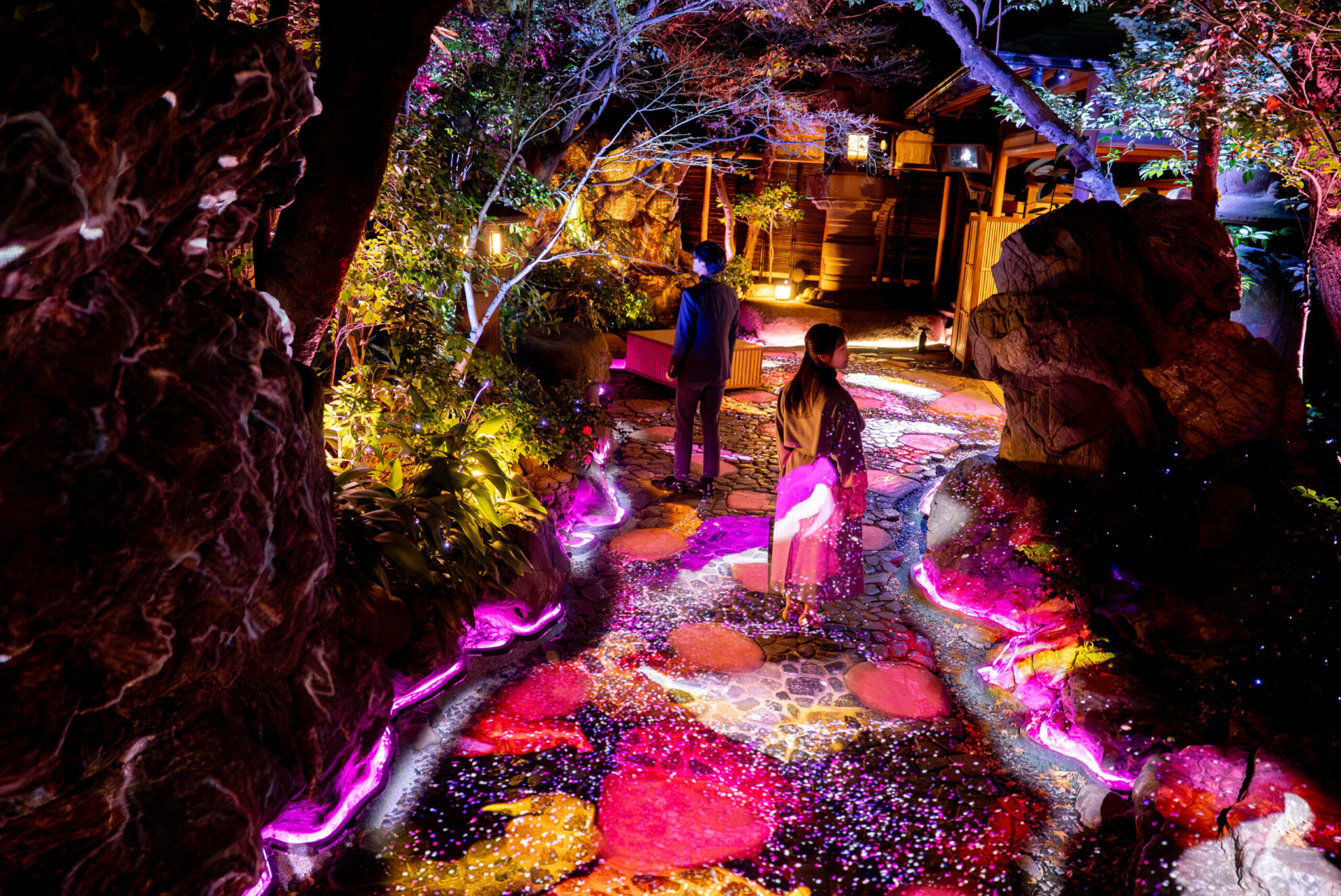
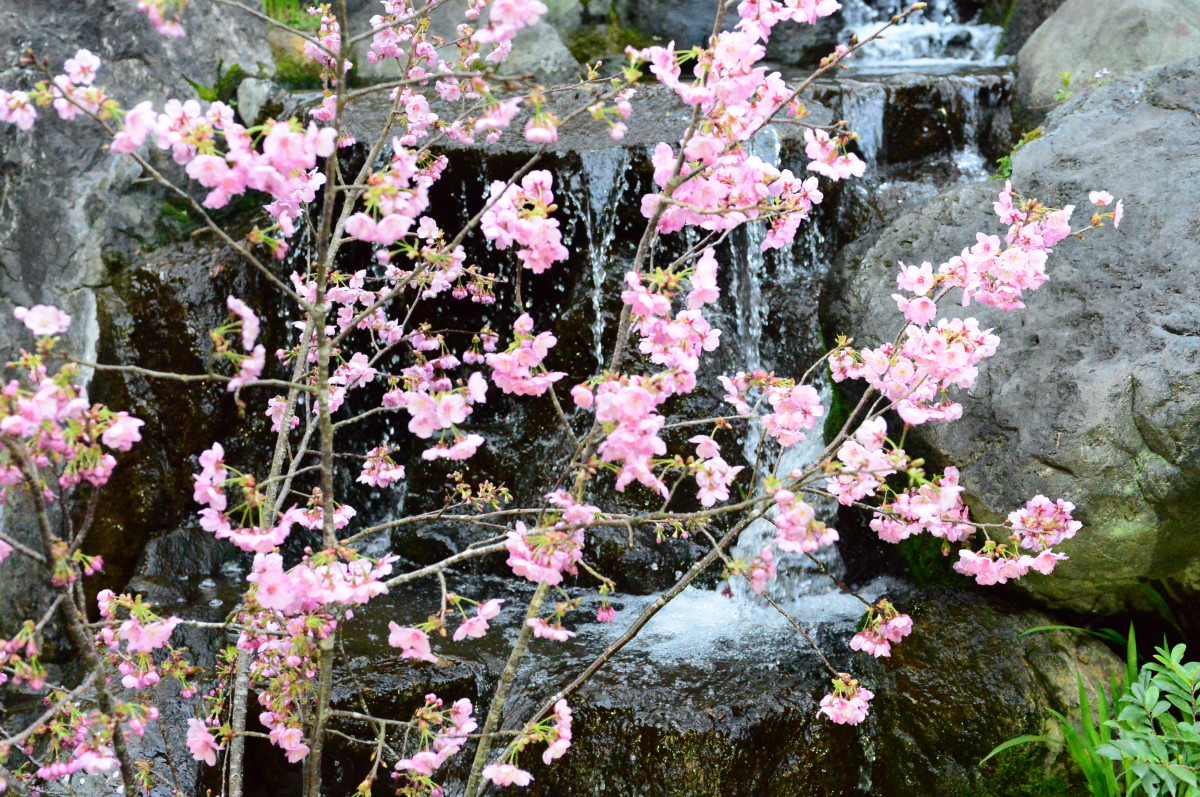
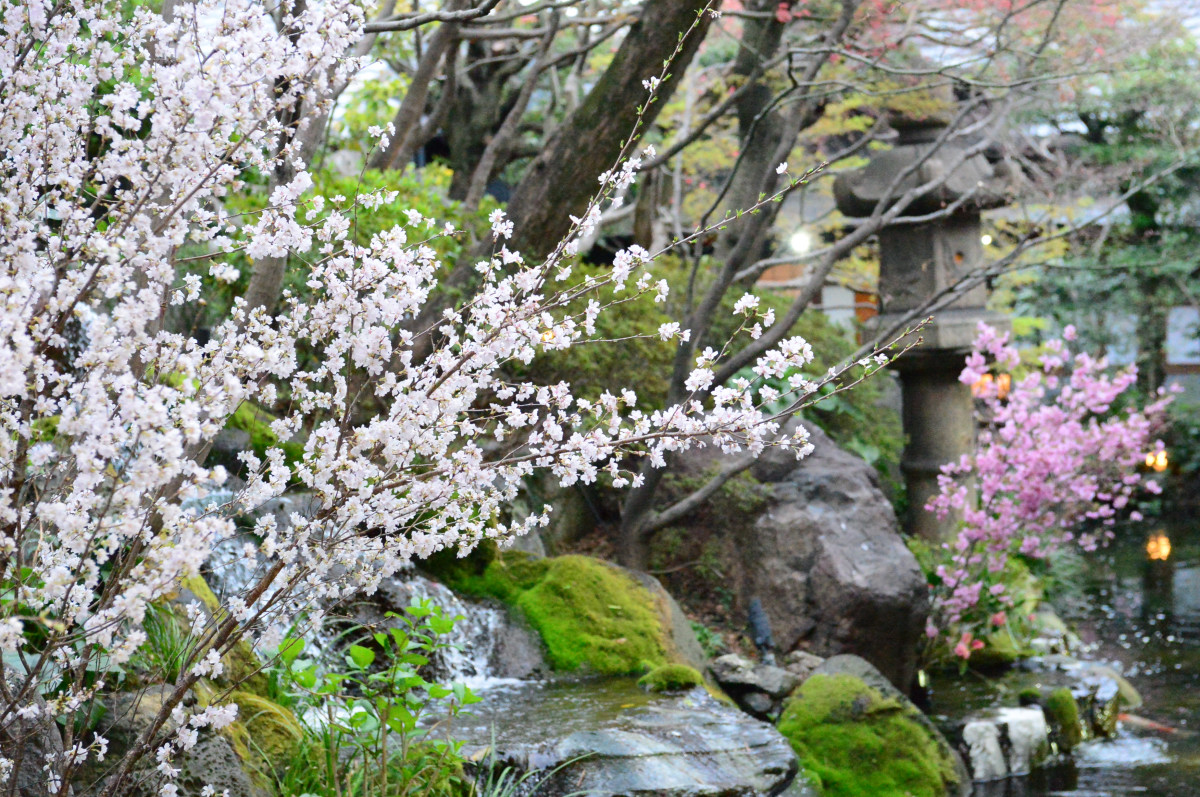
Jisaku holds "Sakura Matsuri (Cherry Blossom Festival)" at the entrance and inside the hotel, decorated with cherry blossoms, using dishes and decorations reminiscent of cherry blossoms and ingredients that herald spring, for a time as if a party is being held under the flowers. It is the most beautiful tradition of spring in Japan.
Tsukiji Jisaku Cherry Blossom Festival
Monday, March 2 - Sunday, April 5, 2026
*Cherry blossom decorations in the museum from March 15 (Sun.)
Please also enjoy the seasonal version of the cherry blossom-colored Sumiike production from the gate.
The entrance lobby is also decorated for everyone to enjoy taking pictures.