



![Tsukiji Jisaku [Official] Ryotei Famous Mizutaki -Official direct reservation special offer-.](https://jisaku.co.jp/wp-content/uploads/2025/01/header-logo.png)
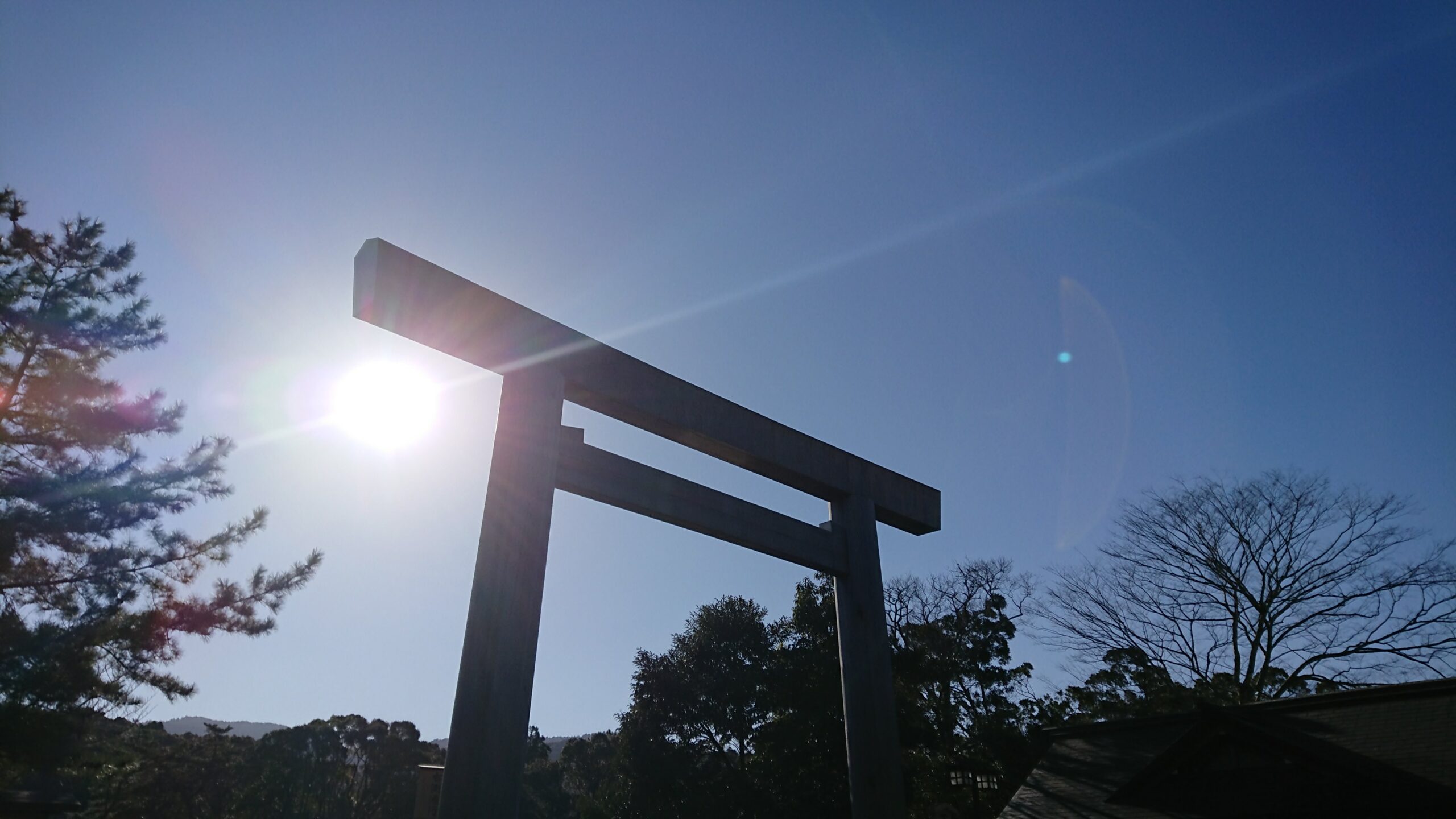
Japanese January event to celebrate the New Year
January, the month that marks the beginning of the year, is a month in which many events are handed down to renew the mind, offer prayers, and prepare the body. Since ancient times, Japanese people have welcomed the god of the new year, praying for abundant harvests and domestic safety as they prepare for the new season. At ryotei restaurants, too, we value the fresh and refreshing flavors appropriate for the beginning of the year, and reflect the culture of the New Year in our cuisine.
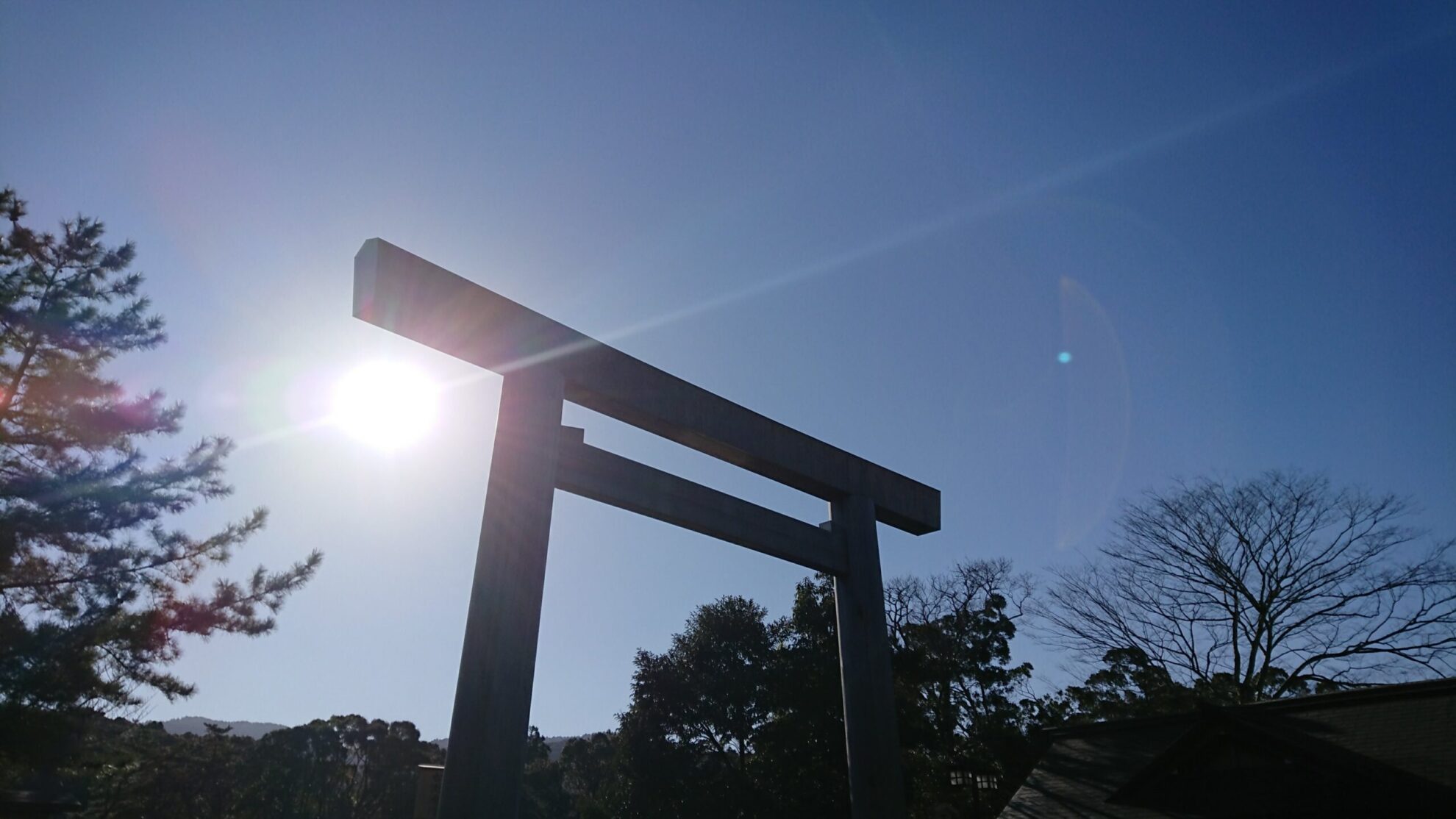
1、What is Hatsumode? - A beginning ceremony to pray and purify for the New Year
Hatsumode (New Year's visit to shrines and temples) is a time when people visit shrines and temples to pray for the New Year,A year of good health, prosperous business, and family safetyIt is a typical Japanese event to pray for the coming of the new year. The origin of this custom is said to be "Toshi-no-Morori," a custom to stay at a shrine of a local deity from New Year's Eve to New Year's Day to greet the coming of a new year.
Today, it has become an important time to join hands with family and friends to make wishes. The New Year's hospitality at ryotei restaurants, like the New Year's visit to a shrine, is also based on the spirit of praying for the fruitfulness of the year.
2,What is shichikusa-gayu - Japanese food culture to wish for good health and good fortune
Nanakusa-gayu (rice gruel with seven herbs) is served on January 7 every year. This rice gruel with the seven spring herbs (cucumber, azalea, goshora, hakobera, hotokezas, suzuna, and suzushiro) chopped into pieces is a traditional food that brings the life force of early spring and wishes for good health and good fortune.
It has also been popular as a wisdom to soothe a stomach tired from the New Year's feast and to prepare the body for the New Year's festivities.
3,Matsunouchi - a sacred period to welcome the New Year's gods
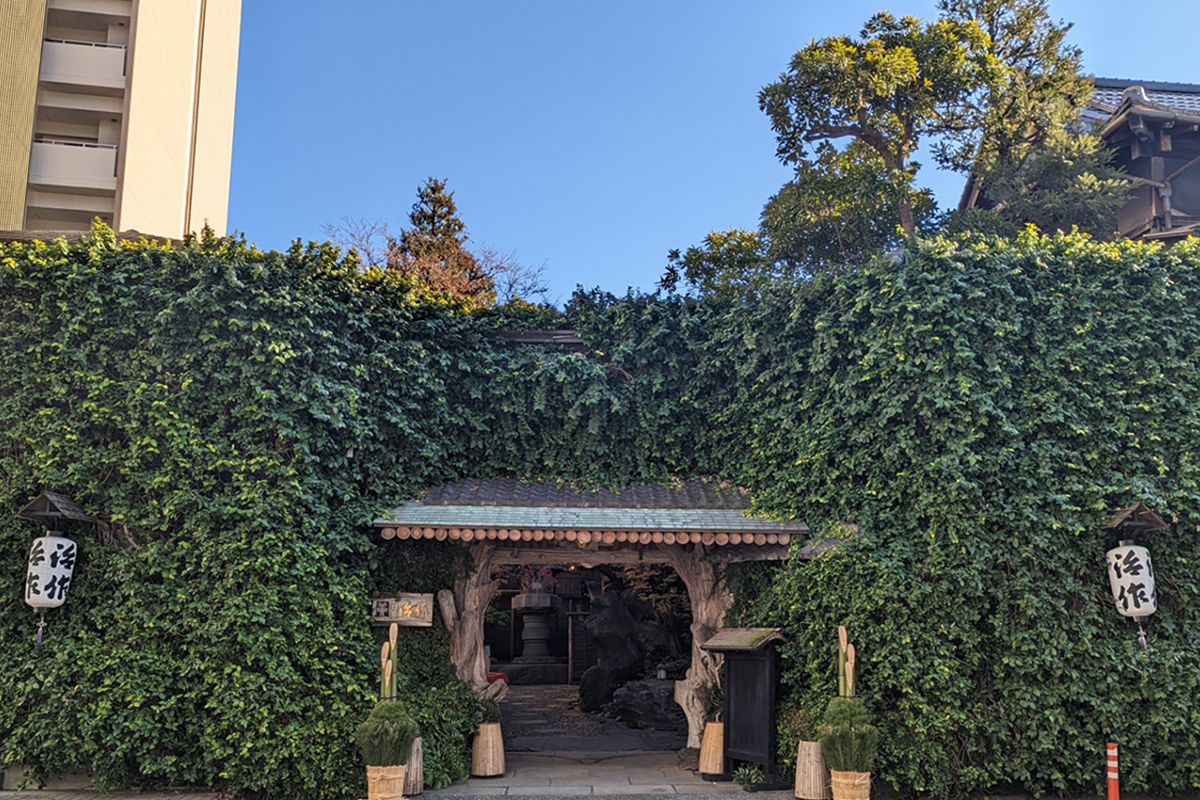
Matsunouchi" refers to the period during which kadomatsu pine trees and shimekidari decorations are displayed to welcome the god of the year. The period varies from region to region, but in generalThrough January 7The following is considered to be a
During the period when the god of the new year is believed to stay in Japan, houses are filled with pure air and the air is dignified for the New Year. During this season, kadomatsu, or paper-thin kadomatsu trees, are decorated to welcome the guests with a bright and cheerful spirit.
4,Kagamibiraki - an event to express gratitude to the gods
Kagamibiraki" is an event in which the Kagamimochi offered to the god of the year is lowered and eaten with thanksgiving. The round rice cake is filled with wishes for happiness and longevity, and the word "kagamibiraki" is used instead of "break" so as not to spoil the good omen.
The oshiruko (sweetened red-bean soup) and zoni made at Kagamibiraki are meant to give you the power given to you by the gods, and are a warm food culture to pray for good health for the year ahead. At ryotei, we also serve soft rice cakes in a bowl with white miso paste, a dish that is unique to this season.
5,What is Coming of Age Day?
Coming of Age Day is a traditional Japanese rite of passage celebrated on the second Monday of January each year.
It is a milestone for young people who have reached the age of 20 to step out into society as adults, and the rituals that once originated in the Genpuku ceremony have been simplified and passed down to the modern form.
Although the age of adulthood was lowered to 18 in 2022, many municipalities still hold their coming-of-age ceremonies based on the age of 20.
The sight of newcomers gathering together in their formal kimono is symbolic of the splendor of the new year. Many families gather around the dinner table to celebrate their new beginnings.
At Ryotei, we cherish "Hare no Hi", the celebration of life's milestones, and offer food with good luck, celebratory kaiseki meals, and photo plans to beautifully preserve the appearance of your commemorative furisode (long-sleeved kimono). We wish you a bright and fruitful future as you enter adulthood.